The stirring
bringing a stake to life
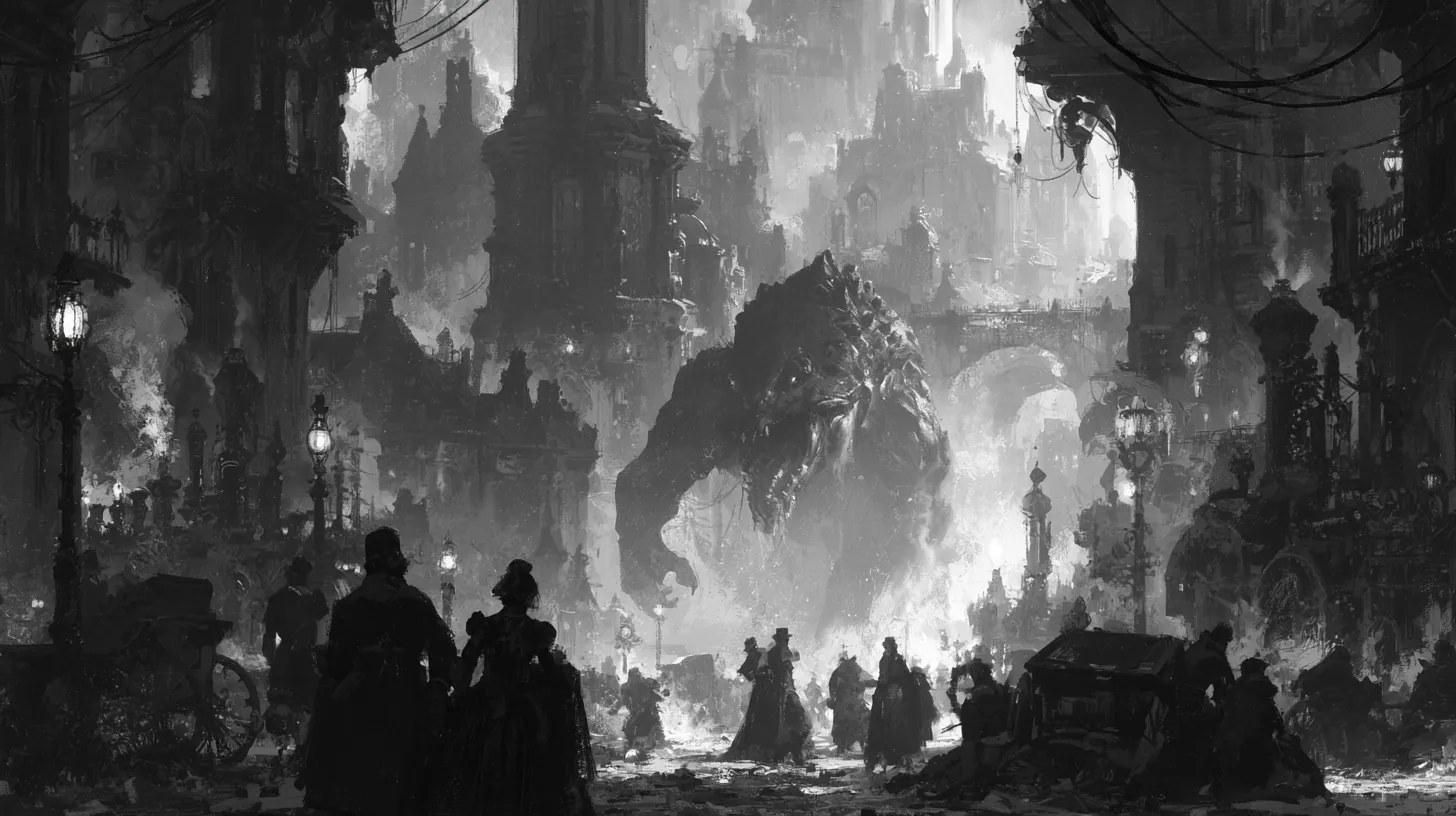
The beast was moving slowly through the alleys, while the rest of the city panicked and fled. “Where are the guards?” people were saying. There were none left already.
The stirring is the world running without waiting for you: it brings stakes to life, and it restarts the ones that are asleep.
You need at least one stake. A game carrying none turns in the void: nothing works underneath, nothing comes back for you.
Sometimes a stake is born on its own (a promise kept crookedly, a name given), and you have nothing to raise. But it happens that the Standing pagethe page that keeps what is pending: living actors, waits, stakes, desires under way, doors closed by fate. There is only one, and it replaces the previous one.part 8 carries only Waitan open question that nobody else is looking into: it belongs to you, it ripens, it has the right never to close.part 8. Then you raise a stirring.
◆ Raising a stirring — the gesture
Section titled “◆ Raising a stirring — the gesture”Draw through the Decka single pack of 78 cards, majors and minors mixed, reshuffled at the opening of every scene.part 2 until a Major Arcanumone of the twenty-two named cards, from The Fool to The World. It does not answer: it names, and it weighs.parts 2, 4, 6. Play a World scenea declared scene in which your character is not present: the world advances behind his back. After three scenes played at his side the floor is the world’s; never two in a row, and fate does not come into it. It moves forward what pends, or it merely lives — a breather.part 9: your character is not in it. Somebody somewhere sets off, for a reason that is not yet your business. What is left after it is a stake, and it will live like the others (cf. part 8).
Later, it is the reverse: a stake you have let sleep. You do not raise it a second time, since it already exists: you restart it, and for that nothing new (below).
◆ The seed — raising the first stirring
Section titled “◆ The seed — raising the first stirring”Before your first Scenethe unit of play: you open it, you play it, you close it.part 3, give it a face.
Search for a major: draw card after card until one appears. The Minor Arcanumone of the fifty-six cards of the four suits, from Ace to King: the matter of the everyday.parts 2, 4 passed through do not count: you give up nothing, you are searching; the deck is reshuffled at the next scene anyway.
A major, and nothing else, because it names instead of answering (part 4). It carries a wanting, it has weight — and what has weight takes time to arrive. A minor would say the Everyday (the)what plays out when you have kept a minor at the opening: fate has not come in, nothing is put at stake.part 4, which passes. A stake does not pass.
What “strong” means is read at the height where you play: an empire tipping over in an epic game, a village house being sold in a gentle one. The card gives the relative scale, not the absolute one.
◆ Four directions
Section titled “◆ Four directions”Look at the card. What it names, in your world, often comes on its own. If you are stuck, ask where it comes from and what it is made of.
Four directions — not four boxes. The world has others, and you will find them before you have finished the book.
- From his own, someone. A person from his close world changes sides, leaves, or starts wanting something else.
- From his own, something. A rule, a house, a place: what was holding him starts to move.
- From outside, someone. Someone he does not yet know has set off, and he is in the way.
- From outside, something. A force, a power, a passage closing.
◆ By which edge it reaches him
Section titled “◆ By which edge it reaches him”A stake that never reached him would be Backdropwhat you come across and forget: pure color, nothing to note. A Backdrop can rise the day you notice that it wants something.part 7. Once the card is read, say where it will come from — not when, not how: where.
By his Desirewhat your character wants. No mechanism, no count: it orients what you play.part 11, what sets him moving. By his place, what he counts on to live. By someone he holds, who will be touched before he is.
At this instant you have only a name, a sentence and a desire. That is enough: you are not looking for a threat to the world, you are looking for what that particular desire is exposed to.
The four relations of part 6 hold here too, except that they are no longer read between the card and you, but between the card and him: you are not in the scene, you are watching what puts itself in relation with someone who does not yet know it.
◆ The raising
Section titled “◆ The raising”On that major, open a world scene. It sets down a latent problem, something that will, one way or another, come as far as him.
The raising does not wait its turn: it launches the game, and it is the only world scene played without having left the character three scenes. It gives the world the floor all the same: the count starts again from it. Fatewhat comes in when you keep a major at the opening, and by no other door: the moment stops being ordinary. What it closes, only it can open.part 6 comes into it no more than anywhere else (part 9).
Show, do not explain. An unremarkable rock against a lamppost, someone approaching at an hour when nobody passes, a hand touching the stone, and a case revealing itself. Who she is, how she knew, what it will cost: none of that is said here. A raising that explained would already be untied: it is the not-knowing it installs that makes it hold for scenes on end.
◆ The sentence that remains
Section titled “◆ The sentence that remains”The scene is not finished until it is written. One line on the standing page: what is now under way. It is the only thing that will survive the page: without it, you have written a fine moment that will never come back.
It takes the form the scene calls for. A knowledge you have and he does not: a decree is going to ground the free skyfarers — she does not know it yet. A fact nobody understands: an unknown woman found Sania’s skyglider in a southern alley, and she was looking for it. Or a question you put to yourself: why is this succession not being settled?
That third form is the liveliest, and the most uncomfortable: it commits you not to know either. The stake then works on you as much as on him.
That sentence is the stake. As long as it is on the standing page, he is running.
◆ Restarting one, as you close a session
Section titled “◆ Restarting one, as you close a session”A stake is not penalized for sleeping. But as you close a session, look at your stakes and find the one that has moved least: write its name at the foot of the page, and the next session will open on it. You will have nothing to choose when you sit back down.
And if it is the same one as at the previous session, it is done waiting: make it move. Nothing new for that, a stake is restarted like everything pending: open a Leada scene declared to make a wait or a stake move: no new gesture, only the intention changes.part 8 on it (your character sets off to search), or Pushan actor’s desire: what he strains toward, even when you are looking elsewhere.part 7 it in a world scene (the world advances behind his back) (part 8). At the reopening, never that same evening.
◆ A stake, raised
Section titled “◆ A stake, raised”I am starting a game with Nera. The standing page carries no stake yet; I raise one.
I draw through. Three of Cups, Page of Pentacles, Five of Wands… — then The Tower. A major: I stop there. I play a world scene, far from Nera, for what The Tower gives me: a collapse on its way.
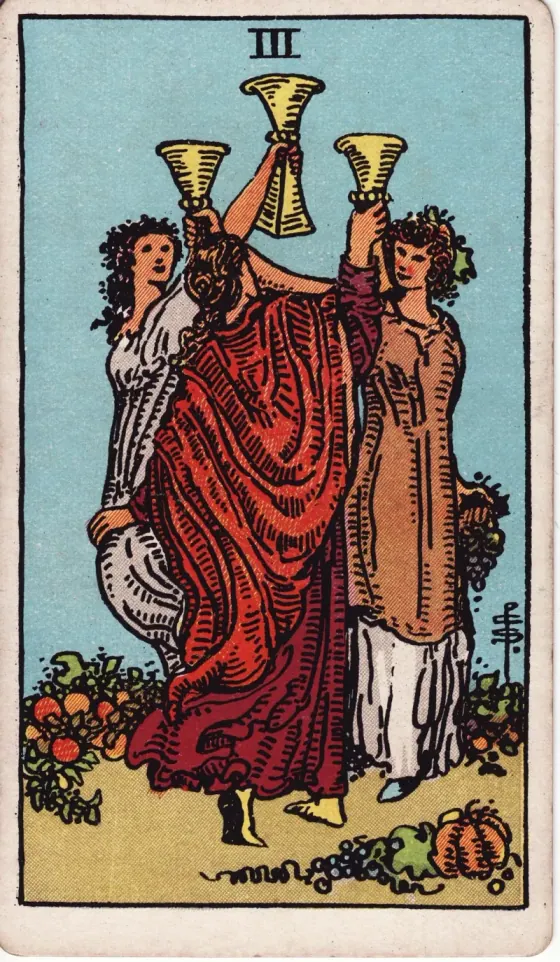 passed through
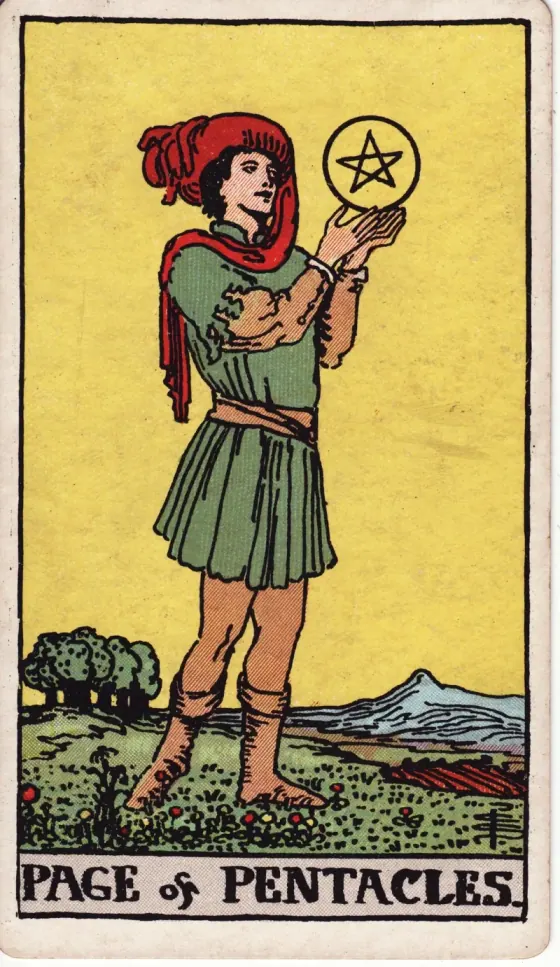 passed through
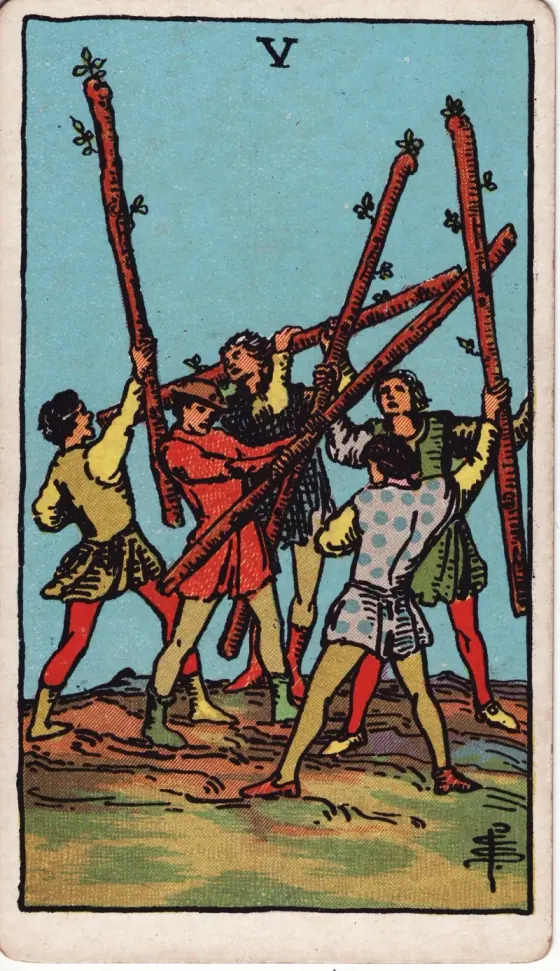 passed through
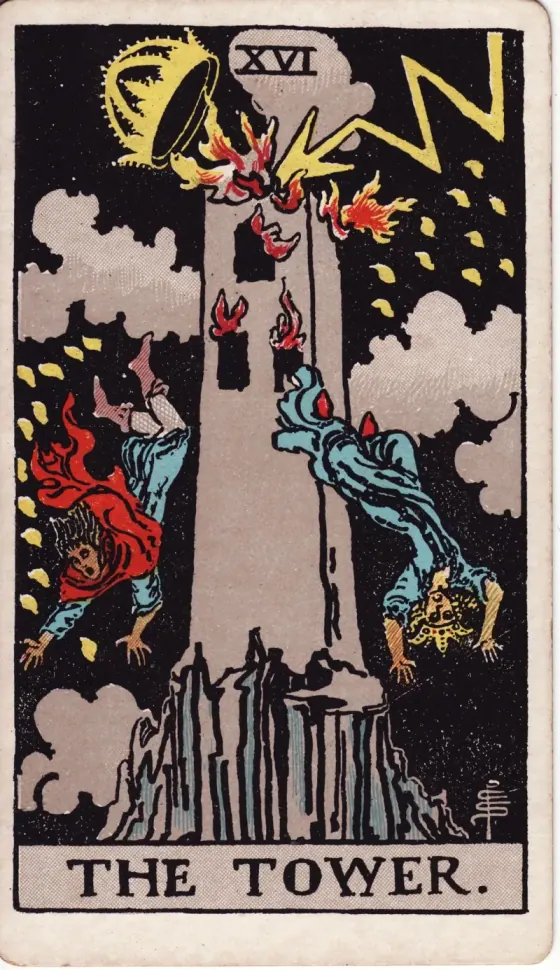 the seed
In a chamber of the High Council of Nandésis, a decree is being sealed: skyfarers without a guild will lose their mooring rights at the first snow. Nobody in the chamber knows Nera’s name. The decree will find her.
What remains fits in one line on the standing page: a decree is going to ground the free skyfarers — Nera does not know it yet. It is a stake now: others are making progress on it while she goes about her business elsewhere. It will live like the others — and it will be restarted, the day it stops moving.
◆ Raise a stake
Section titled “◆ Raise a stake”Search for your major. Say which direction it comes from and by which edge it will reach him. Play the world scene, far from him, explaining nothing of what you show. Then write the line that remains: a knowledge, a fact, or a question. You have your first stake.