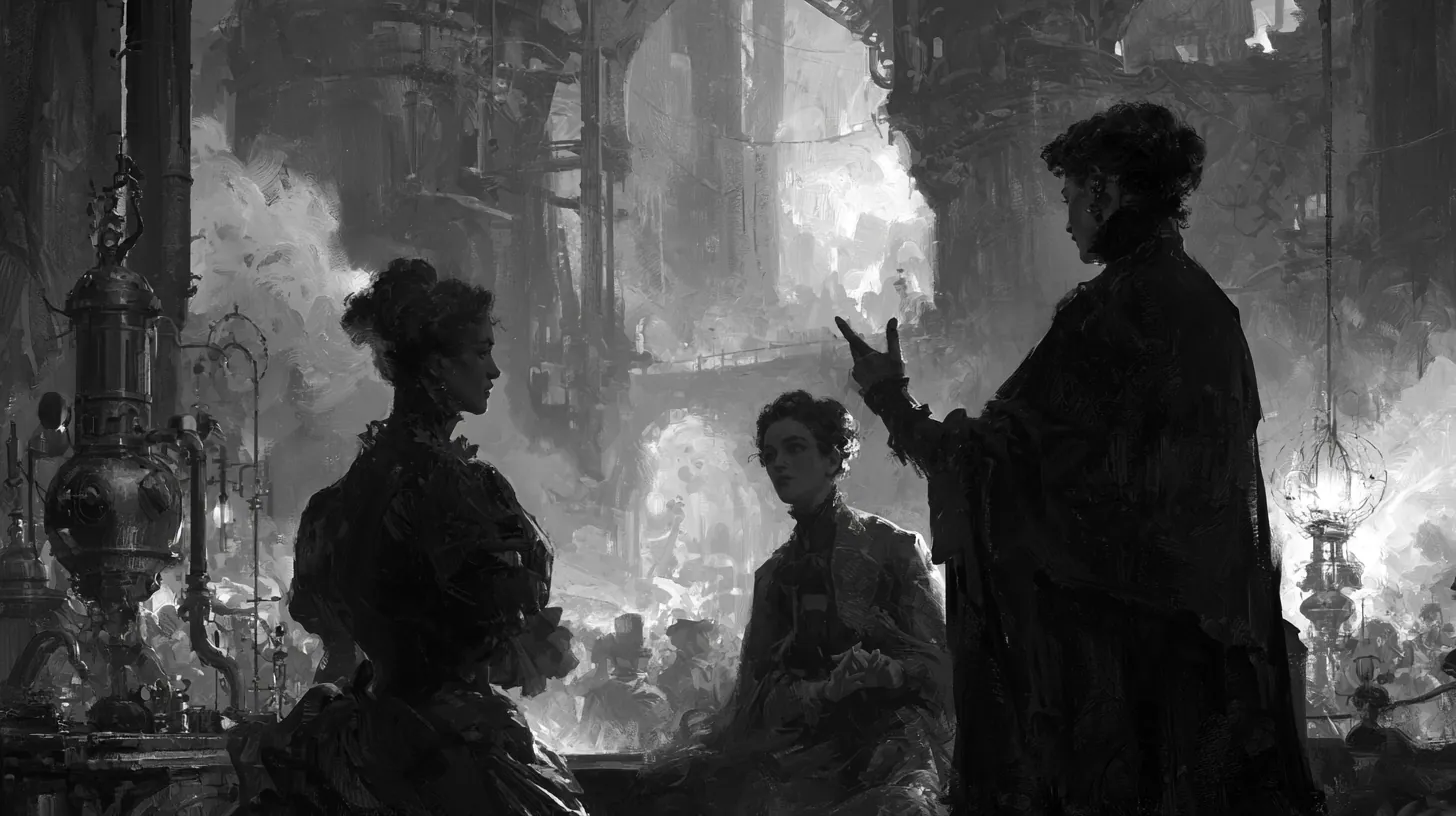
The scene
framing, playing, closing
I come before Edgar, prince of the black city of Épinure.
Slumped on his throne, he was not expecting me. He is carelessly eating a grape whose juice spurts onto his tunic, a cup of wine in his other hand.
The road has hardened me. I have my demands now, prince or no prince. I make my voice carry:
“My prince. I have traveled two months, crossed the plains and the marshes of the Empty East. Here I am.” I let my gaze run over the small assembly, then I go on: “I hope the news you bring me is good for our Guild.”
◆ The scene — the unit of play
Section titled “◆ The scene — the unit of play”The scene is the raw playing space: where you play, where you write your adventure. It is the true unit of the game: you open in it, you question in it, you act in it.
The three beats
Section titled “The three beats”Frame — lay the opening. The setting fits in one line (where, who, why now), set down before the cards if it came to you, after them if it did not (see below). Every scene reopens on a whole Decka single pack of 78 cards, majors and minors mixed, reshuffled at the opening of every scene.part 2: before you draw, shuffle all 78 again.
Play — in the present, in the first person. You question, you draw, you write what comes.
Close — when the scene has given you what it had to give, close it. Sum up what was said or played, and carry to the Standing pagethe page that keeps what is pending: living actors, waits, stakes, desires under way, doors closed by fate. There is only one, and it replaces the previous one.part 8 what has to survive. The cards on the Table (the)the surface in front of you: the cards drawn stay in view on it for the length of the scene.parts 2, 7 go back into the deck. What is left open — a question you do not settle, a threat rising, an unsatisfied Desirewhat your character wants. No mechanism, no count: it orients what you play.part 11 — becomes the Threadthe tension running from one scene to the next: what stays open when a scene closes, and calls up the following one.part 8 that will pull you toward the next scene (part 8).
◆ The opening — entering a scene
Section titled “◆ The opening — entering a scene”The opening is the gesture by which every scene begins, and it is not optional: it is what frames the moment and lets the world speak before you do. You draw three cards, you lay them down before you, you keep one, you give up the other two. The card kept gives the tone and the matter of the moment; the other two go for good. It is the only draw where choosing costs you: elsewhere, what you do not take does not go away.
That choice is the beating heart of the game: to choose is to renounce. Keep the one that surprises you, the one whose destination you cannot see yet, never the one that reassures, and do not go back on the two that leave. This is not a regret: it is what makes your entrance real.
And the opening is the only door of Fatewhat comes in when you keep a major at the opening, and by no other door: the moment stops being ordinary. What it closes, only it can open.part 6. Often a Major Arcanumone of the twenty-two named cards, from The Fool to The World. It does not answer: it names, and it weighs.parts 2, 4, 6 slips in among the three. Keeping it is letting fate in (part 6): the moment stops being ordinary, and something is going to be played for good. Leaving it costs nothing. It goes without a trace, and you will see it again another day. Take it or leave it: there, at the opening, is the whole weight of your hand. Keep a Minor Arcanumone of the fifty-six cards of the four suits, from Ace to King: the matter of the everyday.parts 2, 4, and the scene stays level with the world. There is therefore no catalogue of scenes to choose from before you sit down: they all begin the same way, and it is what you keep that decides whether this one will stay ordinary.
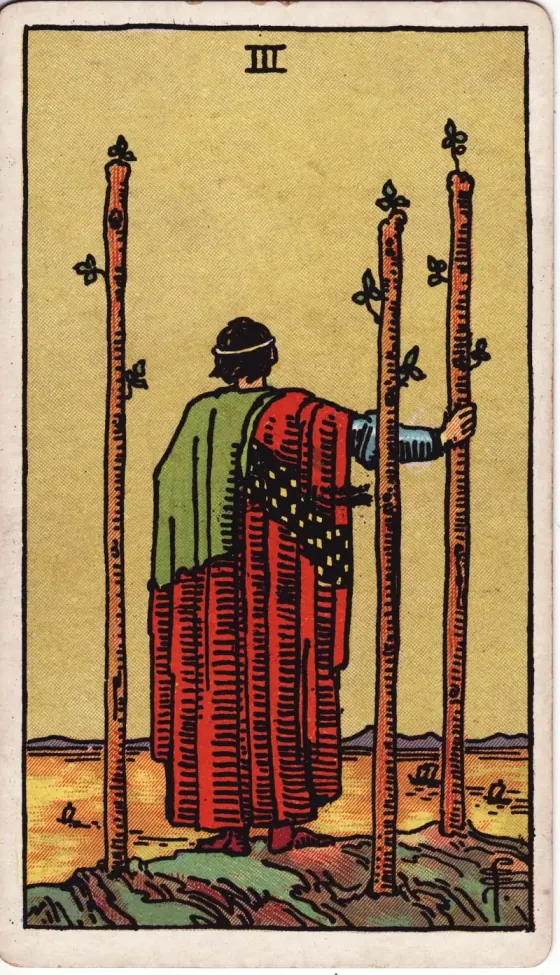 kept
kept
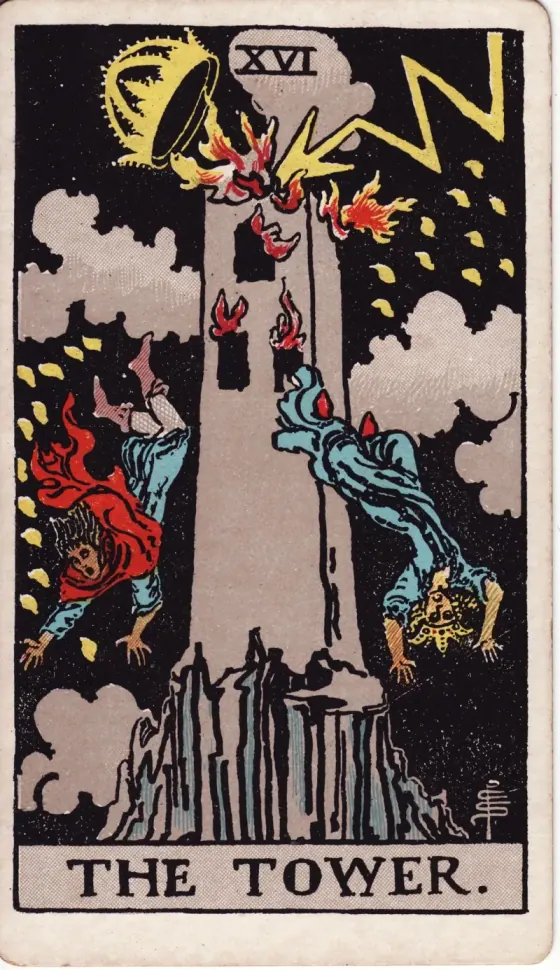 left
left
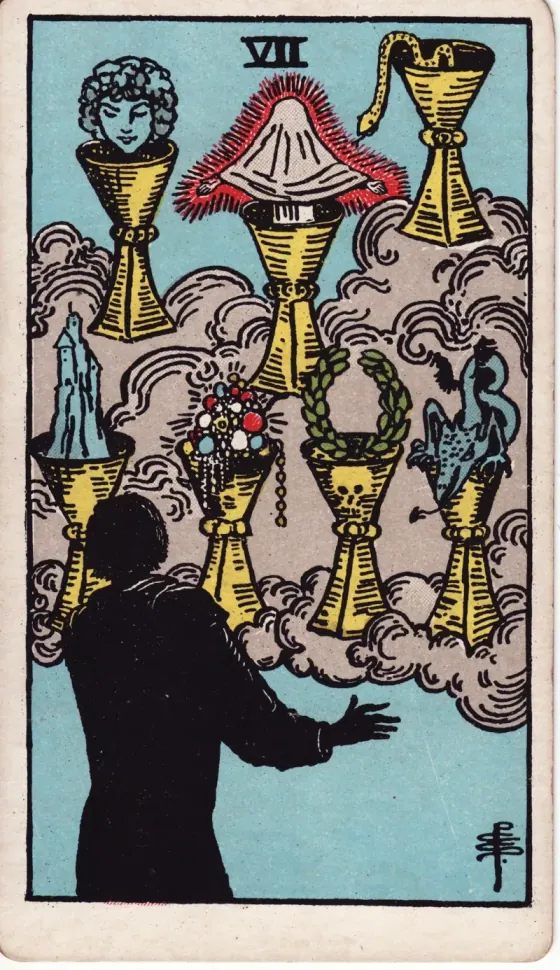 left
left
◆ Setting the space
Section titled “◆ Setting the space”A scene needs a somewhere. It comes in two ways, and the order is not indifferent: what is set down first commands.
If the place is already there, because you knew where you were going or the image came on its own while you were shuffling, set it down in a sentence before you draw. The opening will come and tint it: it will say what happens there, it will not move it.
If nothing comes, do not insist: open first, and let the card Pushan actor’s desire: what he strains toward, even when you are looking elsewhere.part 7 aside what you would have set down by default. It will rarely give you a finished place, rather a color, a mood, someone. That is not a lack. What the card gives is not a place: it is a condition the place will have to meet. A bitterness? Look for where that air is breathed. A face? Ask where one meets that person, at that hour. An object? Look at what surrounds it.
And do not draw a second time because the first did not give enough. A poor card is a constraint, not a failed draw: you come down from it, you do not reload.
When two places are worth as much as each other, the Cointhe oracle of closed questions: heads the first pole, tails the second. It never resolves an action.part 1 decides, but make the two Poles (the two)the two worlds you set down yourself before tossing the coin: never a yes and an empty space.part 1 out of who you are, never out of what would look pretty. An arcanist studying at Nandésis is at the academy, or in town: there are your two poles, and they come from the character, not from your tired imagination. The plausible is a matter, not a caution.
The rest — the hour, the weather, whether you are alone — is not filled in order, like a form. Let the coin settle what changes what you are going to do; the rest, set it down and move on. You do not play to find out what happens — you play to be somewhere.
◆ A descent, played
Section titled “◆ A descent, played”Nera. I sat down wanting to play, without knowing where. No image comes, so I do not insist: I open.
Three cards. I keep the Eight of Cups. And… nothing. Not a place, not a scene: a mood. Going away. Leaving something behind without looking at it.
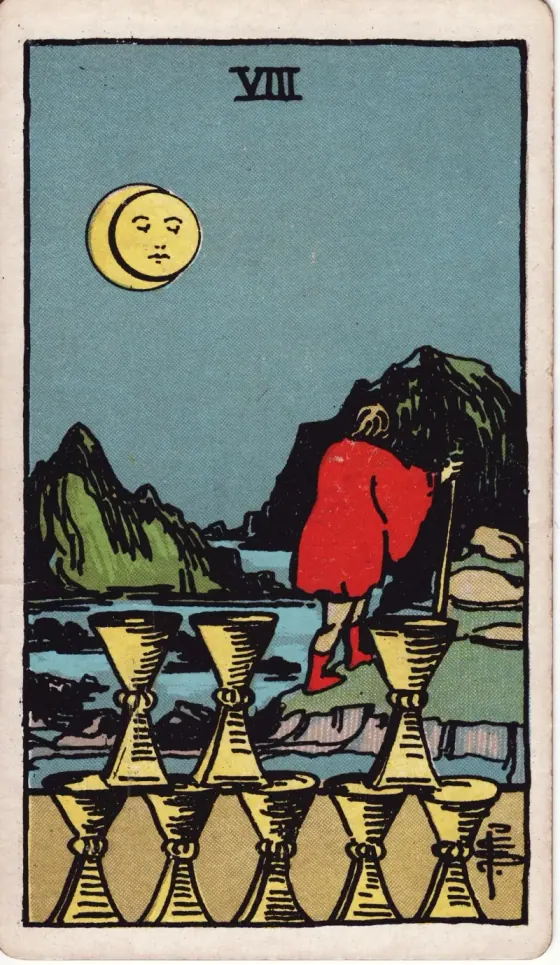 going away
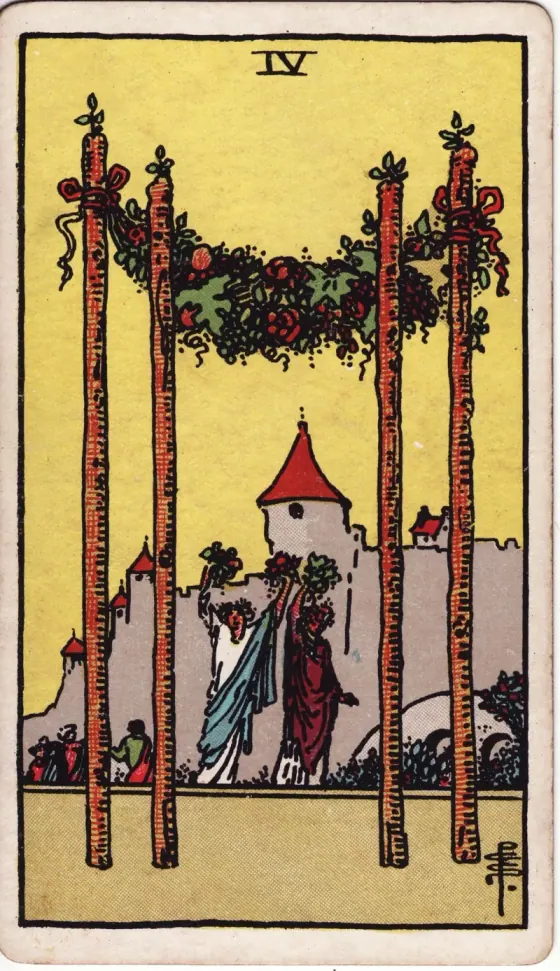 left
left
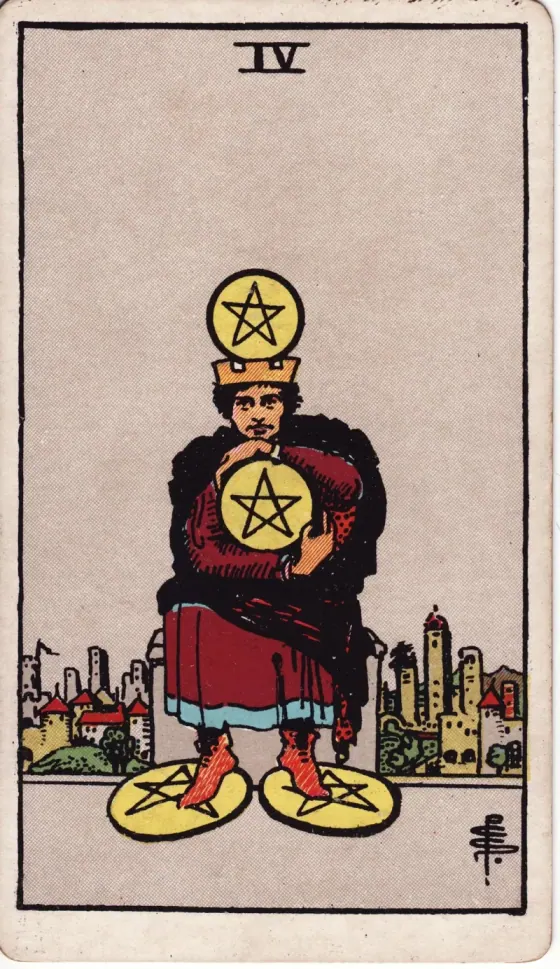 left
left
My first urge is to draw another card and get something better. I do not. The card did not fail: it set a condition, and it is up to me to come down from it. Not which place appeals to me, but: where is that air breathed? A place one leaves. A place made for leaving.
That much I know without drawing: a struck-off skyfarer does not linger where she was known. But two places come to me, and they are not worth the same: tails, the mooring jetty before dawn; heads, the rented room I am emptying. Heads.
The room smells of cold and metal. My things have fitted in one bag for three days now; this is the third time I have closed it. On the table, the key I have to give back, and beside it, the letter I have not reopened.
I chose that setting, as always: the card invents nothing. But left alone, I would have opened aboard, in the sky, out of habit — that is where I am at ease. The Eight closed that door on me: it had to be a place one leaves. The letter on the table is mine, and it would not be there without the card.
◆ Mid-scene — draw a card
Section titled “◆ Mid-scene — draw a card”Once the scene is open, you no longer draw to frame: you draw one card, when you need one. (A second three-card gesture exists, to Populate · widen · hook · probethe four families of question: who is there and how he is (coin) · what exists just beyond the frame (card) · what is off (card) · staying with the answer that has already fallen. (parts 1 and 2) a place in one stroke; it costs nothing and opens no fate — part 7.) It embodies matter in the world and in the scene, and it is for you to say what it is: an emotion, a person, a place, an event, a thought. You lay it on the table, in view, and there it stays: the cards drawn accumulate for the length of the scene, a memory of what you have summoned, until the scene ends or fate closes it.
One simple gesture to get started: the word first. Before describing anything, note the card and what it stirs in you, in a sentence or two or three words: “Ace of Pentacles: an opportunity beginning”, “Nine of Swords: a gnawing dread”. This is not a settled definition, it is a starting point: once the sense is set down, the image comes on its own, and you know what to lean on to imagine the rest.
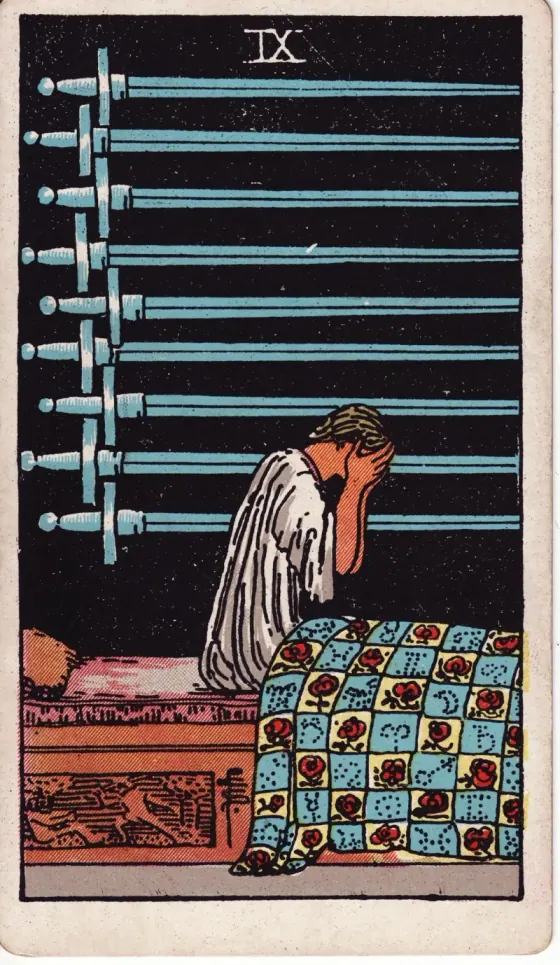 the gnawing dread
Two ways to use it, as you like. You can put an open question (who is there? what is behind the door?) and read the card as its answer. Or you can draw without asking anything, and welcome what comes: no question beforehand, you interpret the card once it has fallen. The first way searches, the second receives.
A major can fall here too. Mid-scene, it does not bring fate in: fate has only the door of the opening. But it is not read like a minor: it weighs. Take it for a presence of fate, a sign, something great or ancient breaking the surface, and play it large, without its putting fate on your hands for all that.
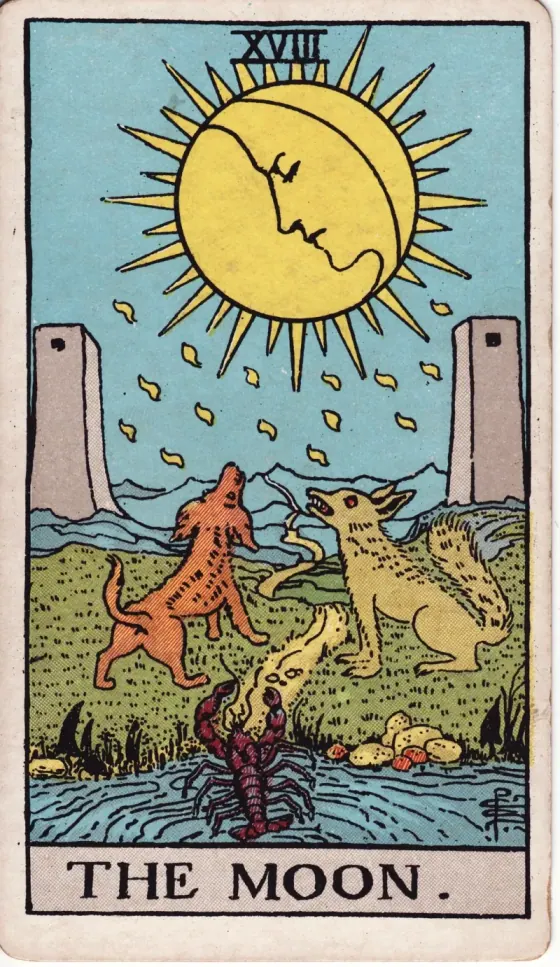 it weighs
One discipline remains, the same everywhere: do not Draw for / draw againsta card read on the side you already know to be true. It no longer says whether, it says what — and the side must be true before the draw.part 4 nothing. A card has to change what you are going to do, not only what you are going to describe. Otherwise, decide for yourself and move on. Receiving matter is a real use; furnishing the void is not.
◆ Raising a detail — deciding it concerns you
Section titled “◆ Raising a detail — deciding it concerns you”You already know what to ask, and whom: the ordinary of a place (a café has tables, a lamp, a server), you set down yourself; a small closed truth, the coin settles (part 1); a card hands you what you would not have set down (part 2). One gesture remains that belongs to the scene alone.
Stop the moment a detail really catches you, and make it rise: decide that it concerns you. That table where voices are being raised was not the neighbors: it is the man you are looking for, or a friend you had stopped expecting. You have just invented it — yes, and that is the gesture itself. The draw gave matter; it is you who decide that it looks at you. Staging is not cheating: a Bondwhat an actor seems to expect of you, written on the standing page and never crossed out: you stack, you do not correct.part 7 drawn out of almost nothing does not weaken the game, it is what opens it.
One limit, all the same. If what you raise settles what you are looking for, do not ask “is it really him?”, stretch two poles (part 1). That table where voices are being raised: the man I am hunting, or the friend I had stopped expecting? The coin decides between two worlds, and neither is empty. Remember that a raised detail can cost, mislead, be only a beginning.
◆ An opening played — the departure
Section titled “◆ An opening played — the departure”A scene of pure calm: you open on three cards, you set down a world, you draw a card for matter, two questions to the coin. Nothing tips over: no fate, nothing put at stake.
I open: three cards. The Two of Cups (a bond one leaves), the Knight of Wands (an ardor, a headlong departure), and the Six of Swords (a melancholy passage toward an elsewhere, leaving for a better one is not sure of reaching). All three speak of departure, each in its own way, but it is the Six of Swords that touches me. I keep it; I let the other two go. The whole scene will be tinted by it.
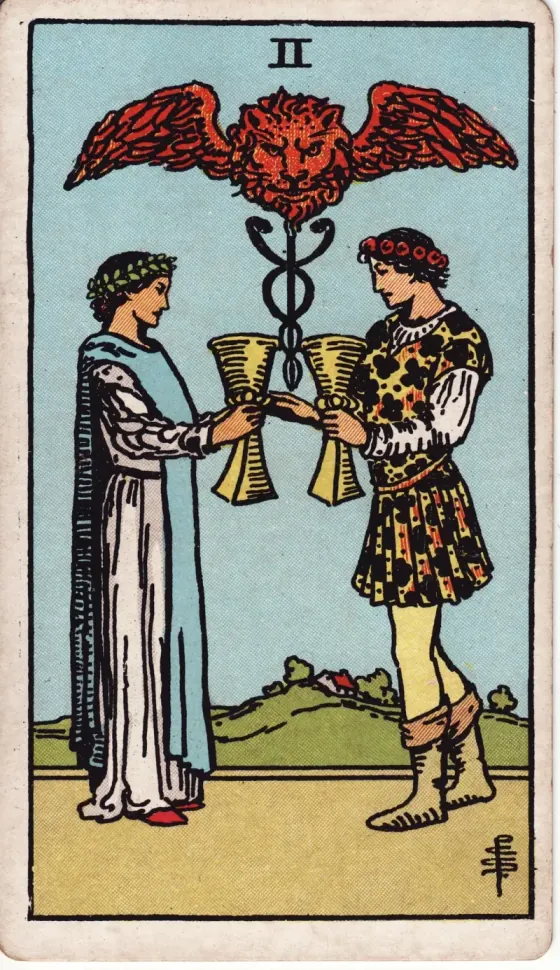 the bond
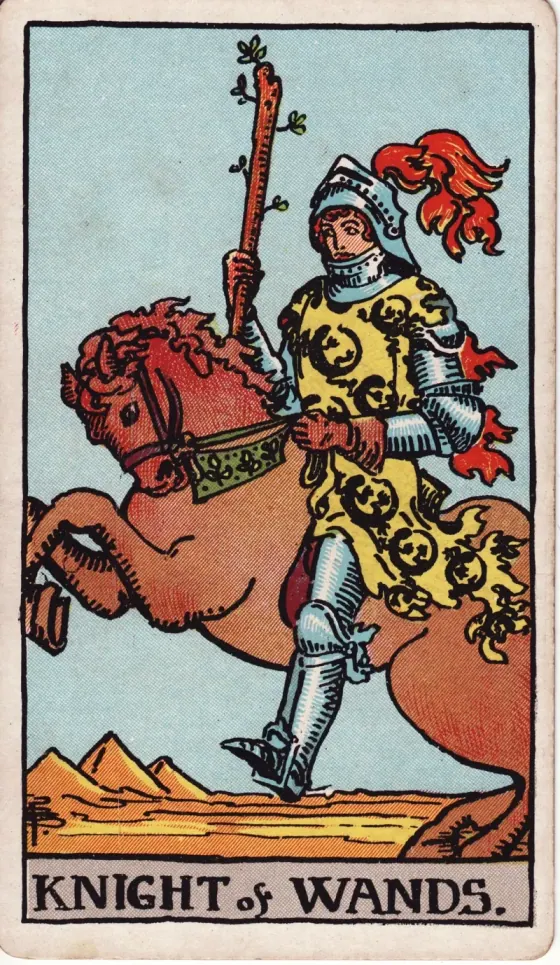 the ardor
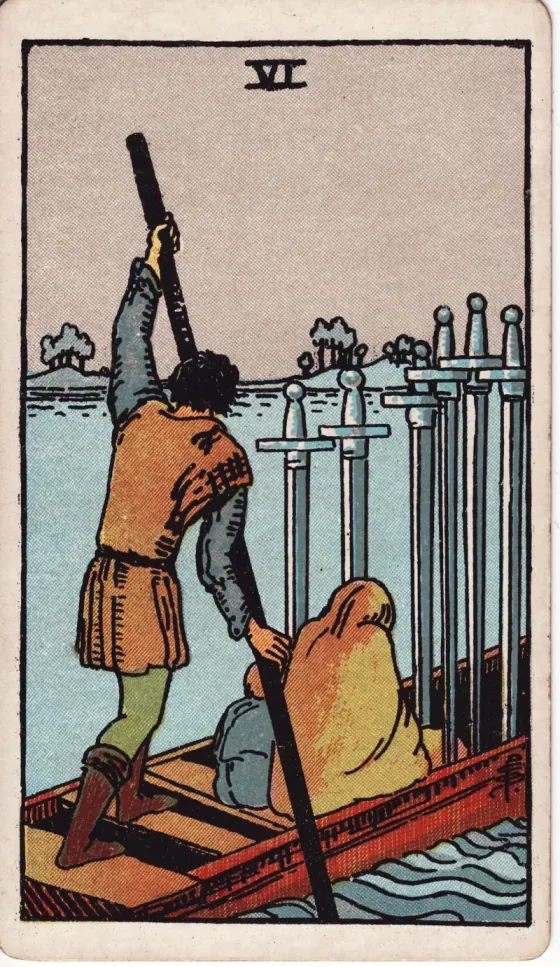 kept
kept
I set down an hour, a season:
An evening at dusk, the end of a hot summer. The crickets are still singing, here and there.
Then a place:
I am in Nandésis, the world-city of the Free Lands. A boat is waiting for me at Mélaïde.
(I read the card at its most literal: a boat, a crossing — the Six of Swords, almost as it is.)
Do I have a ferryman with me? — coin: no.
The boat waits for me, alone. The weak eddies make its old wood creak.
The scene whispers a question I do not want to resolve yet: why, and what am I fleeing? I keep it as a wait. But something is rising, and here I want matter: I draw a card, without asking anything, for what I am leaving behind. The Ten of Pentacles: a house, an inheritance, a whole foundation. I lay it on the table, beside the Six of Swords. I gave too much to that house; I lost myself in it. It has the taste of a betrayal.
Once in the boat, I cast off and let the weak current carry me. Rocks come out of the water, misshapen in the dusk. But the moon is already shining, ready to guide me across.
Is anyone waiting for me, at the other end? — coin: yes. I invent a name:
I hope Morgan is ready to receive me.
◆ Play your first scene
Section titled “◆ Play your first scene”Sit down somewhere quiet, the notebook open. Set down a place and an hour in one sentence: where are you, at what moment? If nothing comes, do not look for it: draw first, and the place will come from the card.
Then open: draw your three first cards, lay them down before you, and take your time before choosing. Which is the most alive, the one that opens the widest threshold? Keep it, let the other two go without regret. Then make it speak (for whom, where, in what color), without settling everything at a stroke: let it soak into the place, the hour, the air you are breathing. And if a major has slipped in among the three, leave it for tonight: keep a minor.
Then carry on. One small closed question to the coin (is the weather fine? am I alone?), and you write what comes: one sentence, no more. Then another question, another answer, another sentence. Your cards are drawn one at a time, as your needs come.
Do not look for a plot. Let the place fill up until something intrigues you — then follow it. That is all; the rest is learned by playing.
The world is starting to live.
◆ The chapter — a shape, not a clock
Section titled “◆ The chapter — a shape, not a clock”The chapter is a convenience of storytelling, not a working part. It is a stretch of adventure that rises, peaks and falls away, but no mechanism depends on it: nothing to declare, no obligatory scene, no landing to engrave. Most often, you do not decide it in advance: you recognize it afterward.
The length
Section titled “The length”A chapter fits in a few scenes: three or four, often; sometimes a single one, sometimes many. There is no right count: there is the moment when you feel that one thing has closed and another is beginning. This game does not advance by the chapter: it advances by desire (part 11) and by the scene. The chapter is only the way you will cut up your story, later, on rereading it.
◆ Close your first chapter
Section titled “◆ Close your first chapter”You now have a few scenes behind you. Do not look for a rule to stop at: reread what you have played, and see whether a cape has been rounded, in the events or in your character. If so, your first chapter has just closed, on its own. Give it a title, if you like — now that it has said its name.