Acting on the world
attempting, and paying the passage
The rope is too high, the lookout too close. Between my move and the drop there is only what I am worth tonight against what the world has decided to set in my way. One card for me, one for it. We shall see which of us bends.
Jumping from one roof to the next, forcing a door or picking it, standing your ground, searching a room, setting a machine down in the wind: the moment your character comes up against the world and the outcome is not written, there is a draw, an action, and the world answers.
If you know it will go through, it goes through. This is your character, he knows how, and making him prove it is a waste of time. And if the failure produces nothing but a “no,” do not draw: you would have paid two cards to bring the Scenethe unit of play: you open it, you play it, you close it.part 3 to a halt.
◆ Resolving an action — one card against the world
Section titled “◆ Resolving an action — one card against the world”The moment you attempt something uncertain, you resolve an action. You draw two cards: on the left, you; on the right, the world, and the stronger wins. What remains is knowing which. It is the game’s only scale, and it fits in five lines.
◆ The ranks — who wins
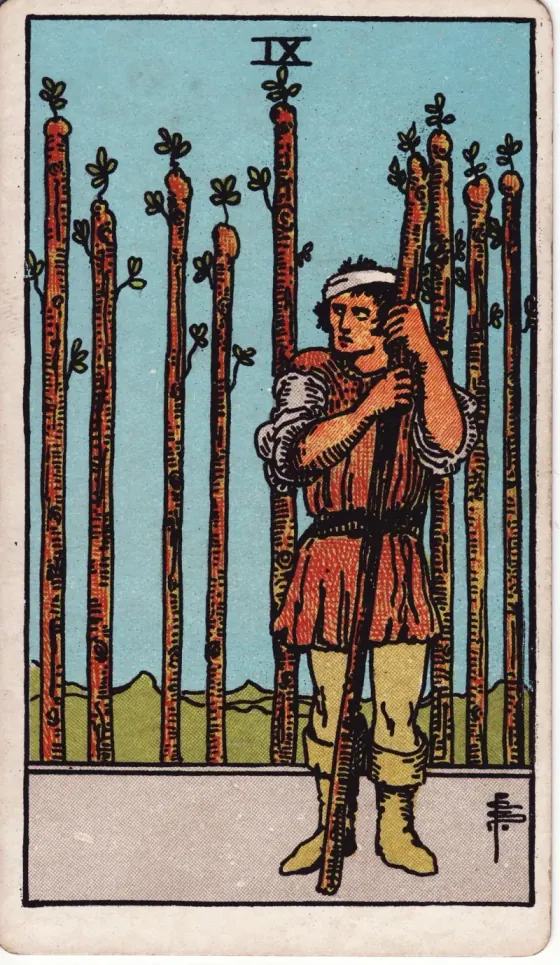
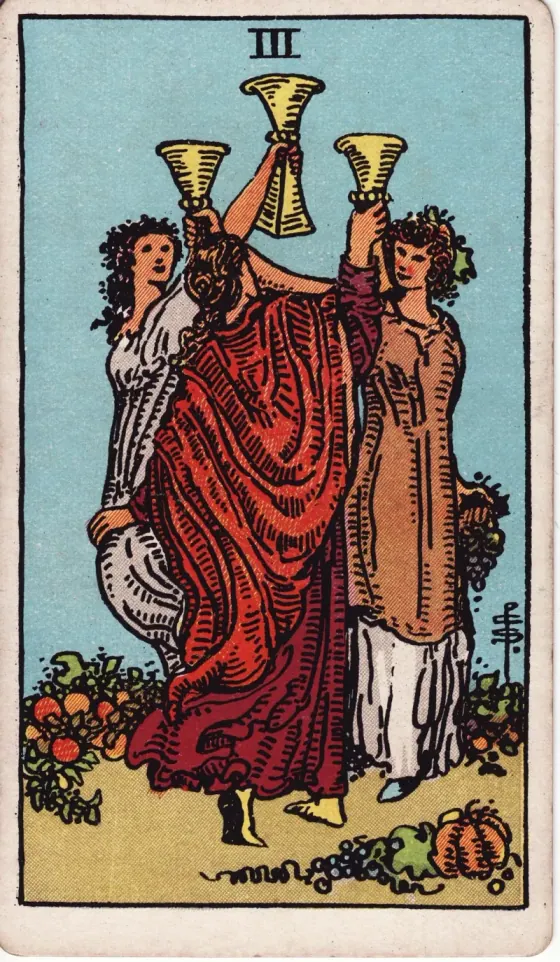
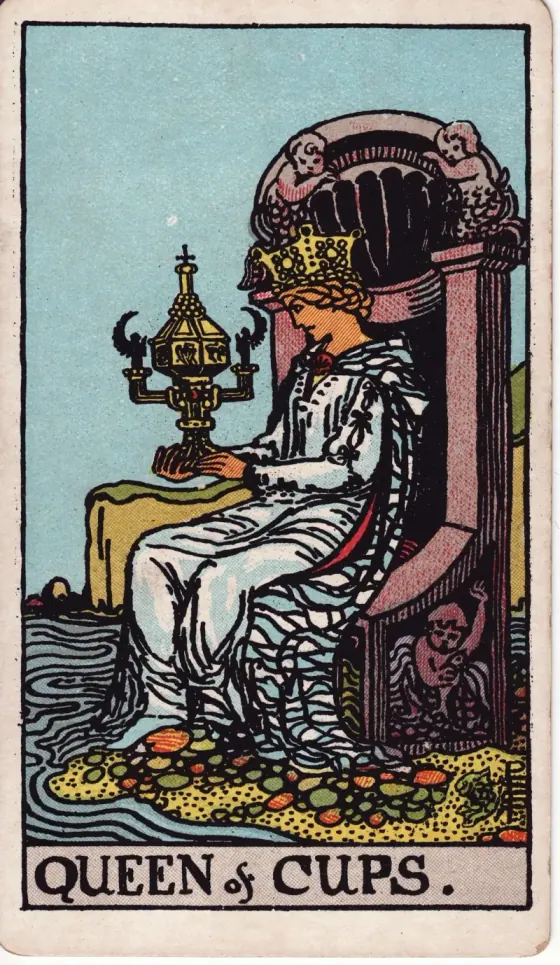
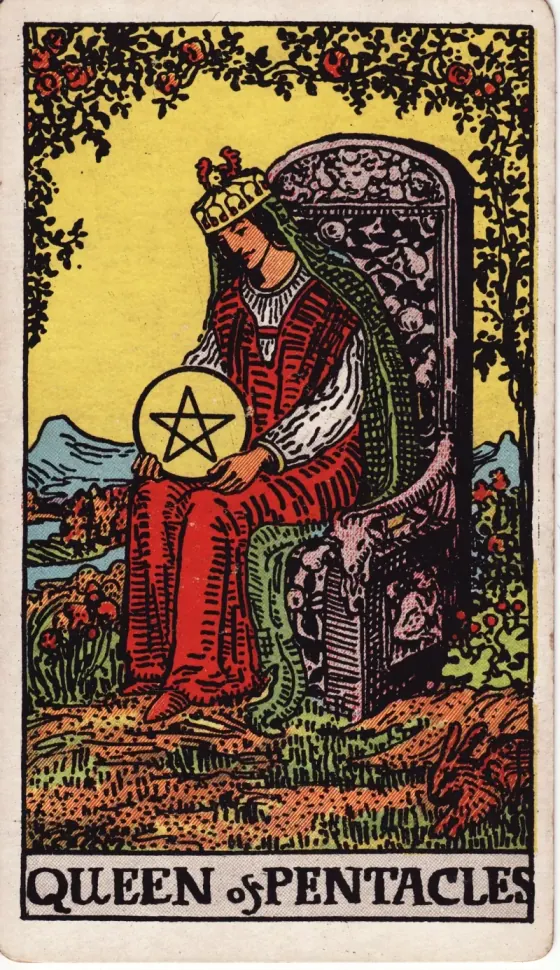
Section titled “◆ The ranks — who wins”- Between two Minor Arcanumone of the fifty-six cards of the four suits, from Ace to King: the matter of the everyday.parts 2, 4, the higher number wins: a Nine crushes a Three. The court cards rise above the Ten: Page, Knight, Queen, King.
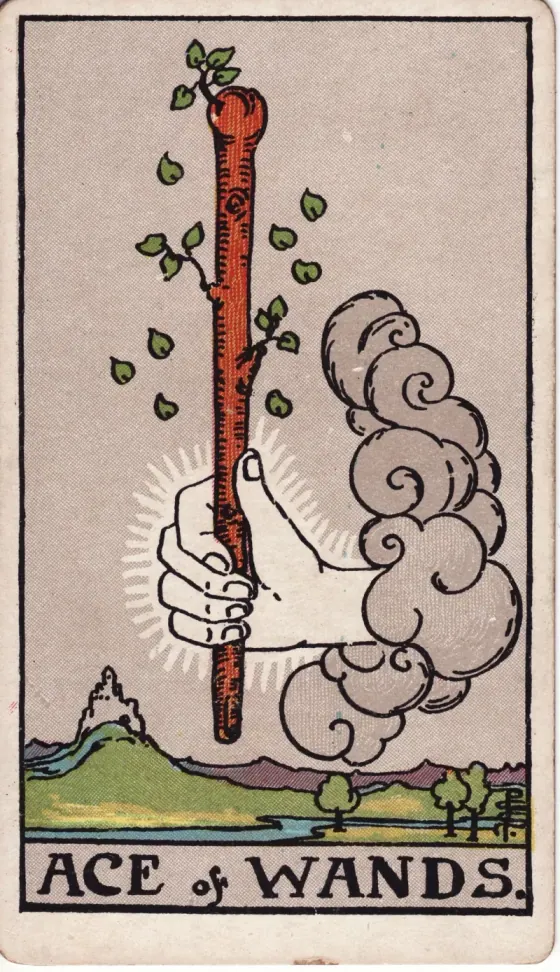
- But the Ace beats the King — and nothing else. It is a wheel: every other minor beats it. The spark, the nothing that overturns everything and is trampled by all the rest.
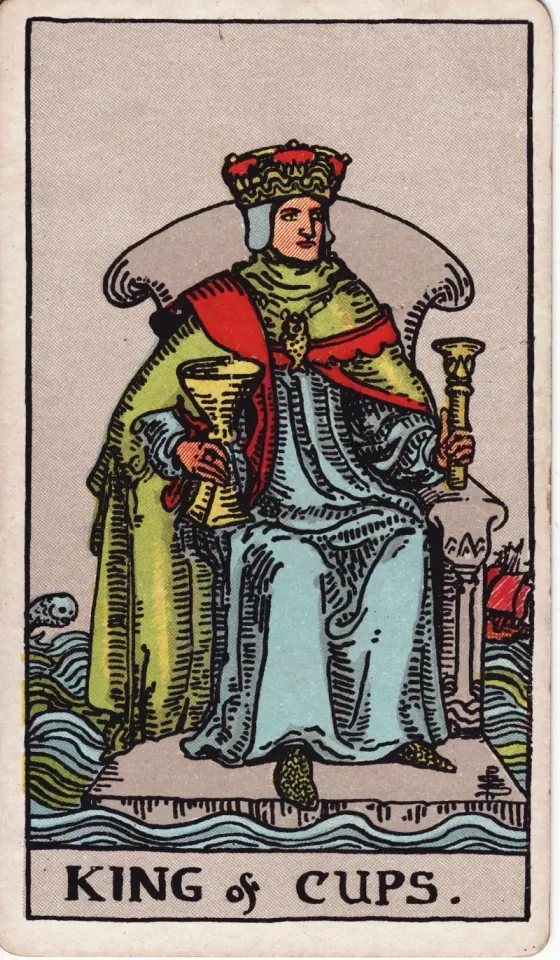
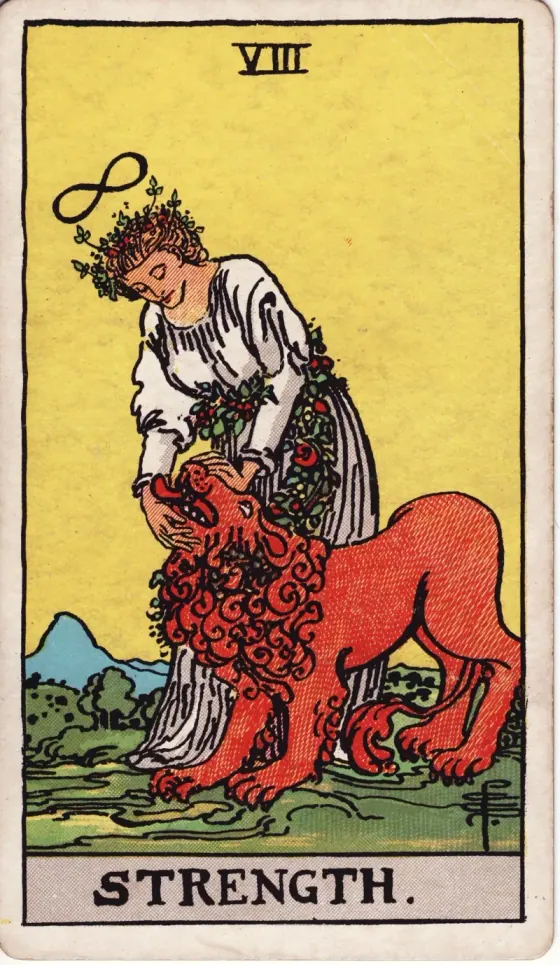
- A Major Arcanumone of the twenty-two named cards, from The Fool to The World. It does not answer: it names, and it weighs.parts 2, 4, 6 wins over any minor: Fatewhat comes in when you keep a major at the opening, and by no other door: the moment stops being ordinary. What it closes, only it can open.part 6 weighs more than the Everyday (the)what plays out when you have kept a minor at the opening: fate has not come in, nothing is put at stake.part 4. Between two majors, the higher wins, in the order of the tarot, from The Fool to The World.
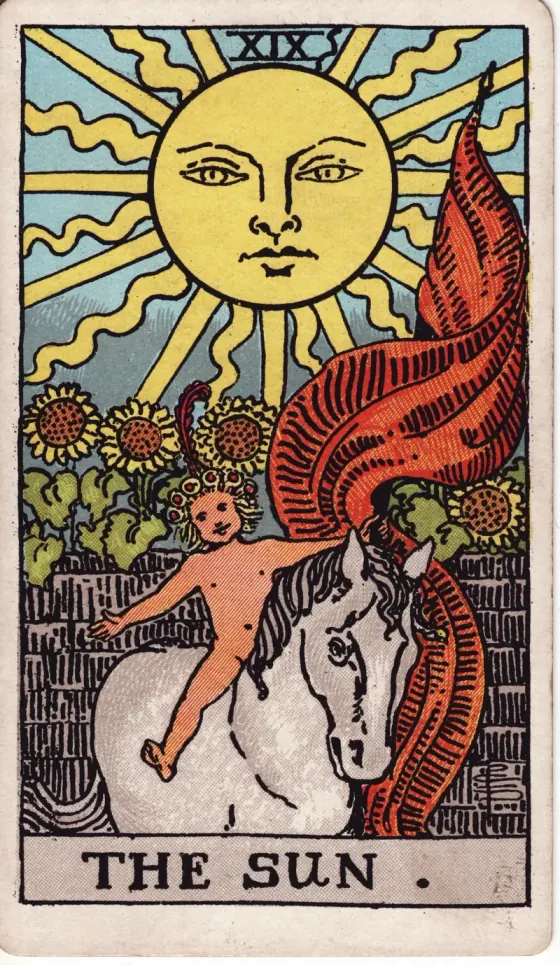
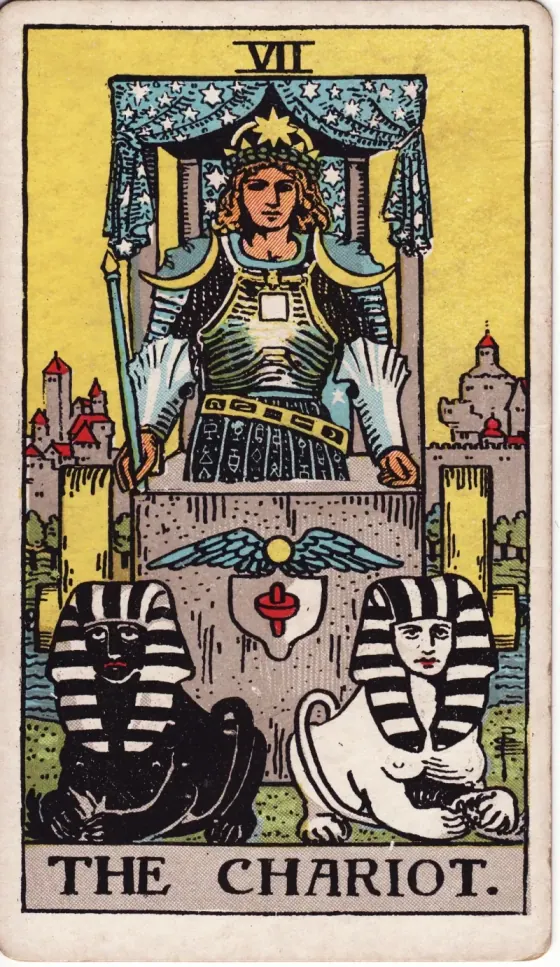
- But The Fool takes The World — and nothing else. A wheel, like the Ace: it yields to every other major. The Journey begins with one and ends with the other — the one who leaves with nothing passes straight through the one who has everything.
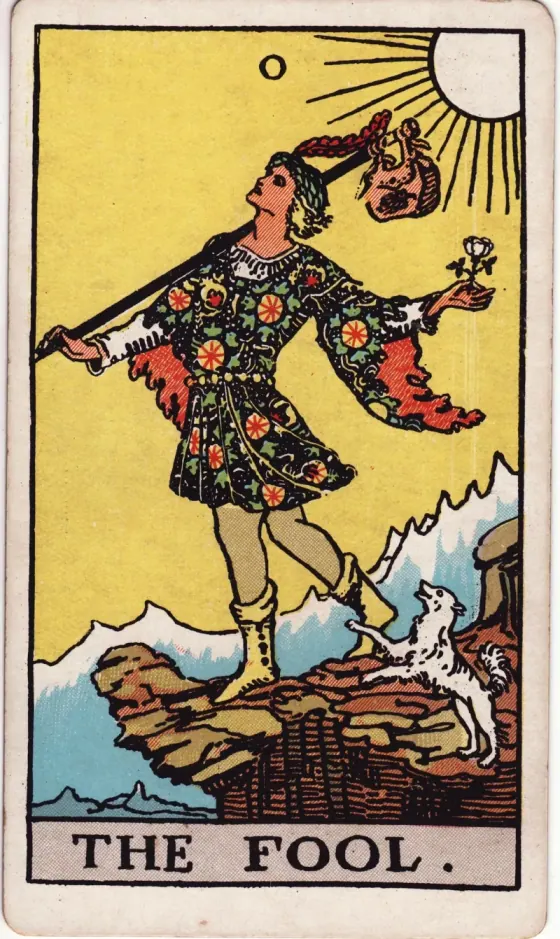
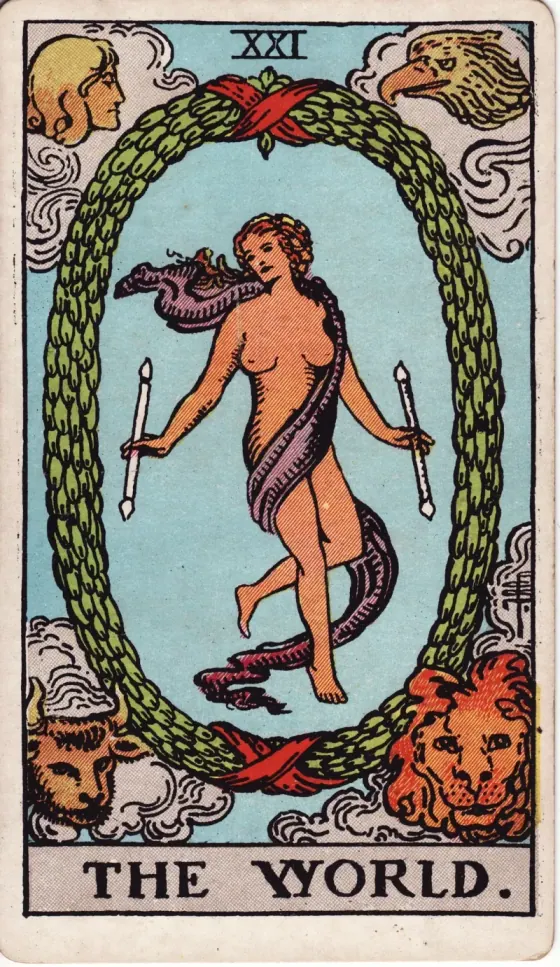
- On a tie, the world wins. It gives nothing away: two Queens fallen face to face, and it is the world’s.
 you
you
 the world
They hold wherever two cards meet: here, and under fate (part 6).
Four outcomes — and it is the major that makes them overflow.
| The two cards | The outcome |
|---|---|
| You win | Victory |
| The world wins — the tie included | Defeat |
| You win, and it is a major | Fate’s flare — a success that overflows, the outcome nothing announced |
| The world wins, and it is a major | The crushing — it did not go around you, it went over you |
Only the winner’s card makes the outcome overflow: a major in the loser’s hand buys nothing back; fate does not offset. For the fiction, on the other hand, both cards always speak. Yours says what you attempted and from what height you fall; the world’s says what stopped you.
◆ The flare and the crushing — when fate overflows
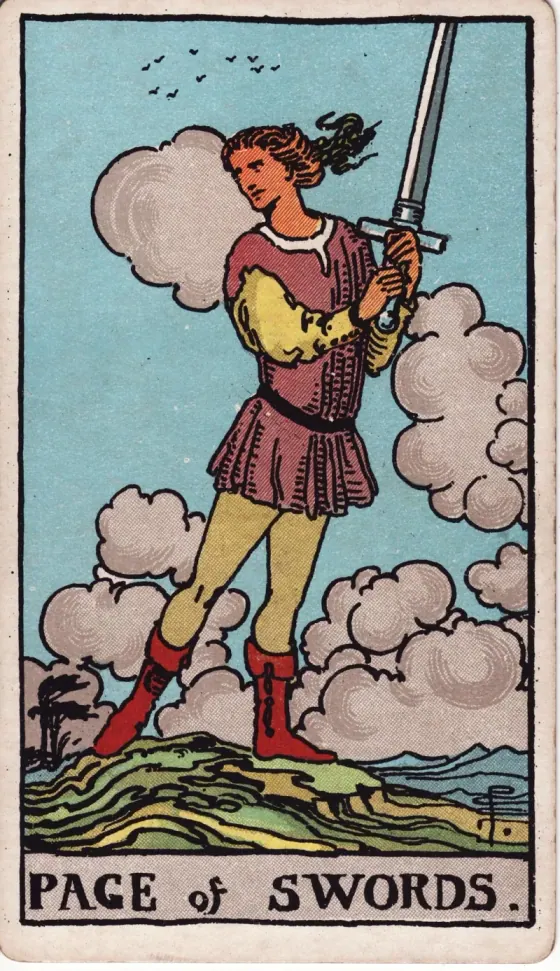
Section titled “◆ The flare and the crushing — when fate overflows”The flare overflows what you were attempting. Tell it one of two ways: either your character was greater than his usual (a fine move, a sentence he did not know he had), or it is the world that opened wider than the question you asked. Either way, give more than the action was aiming at — and know that this surplus commits you to what you had not foreseen.
 you
you
 the world
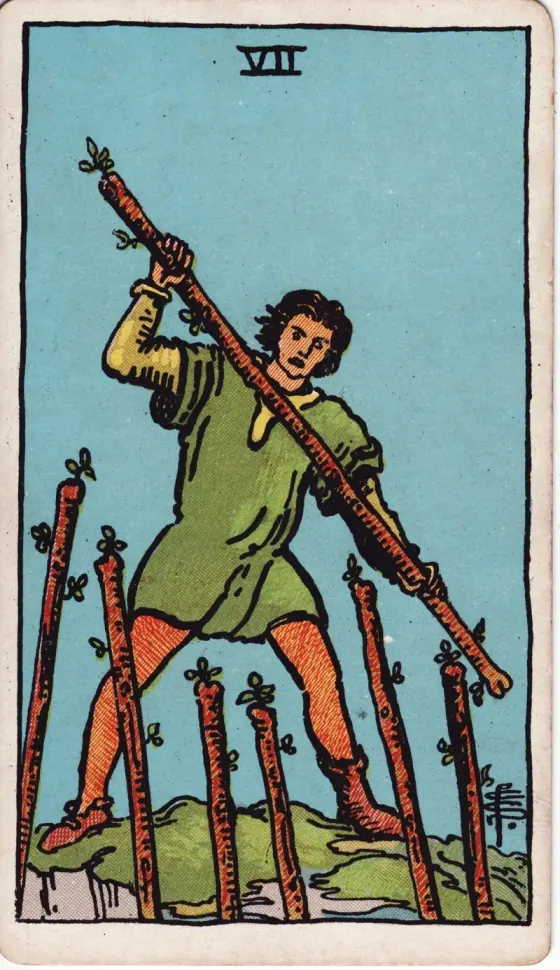
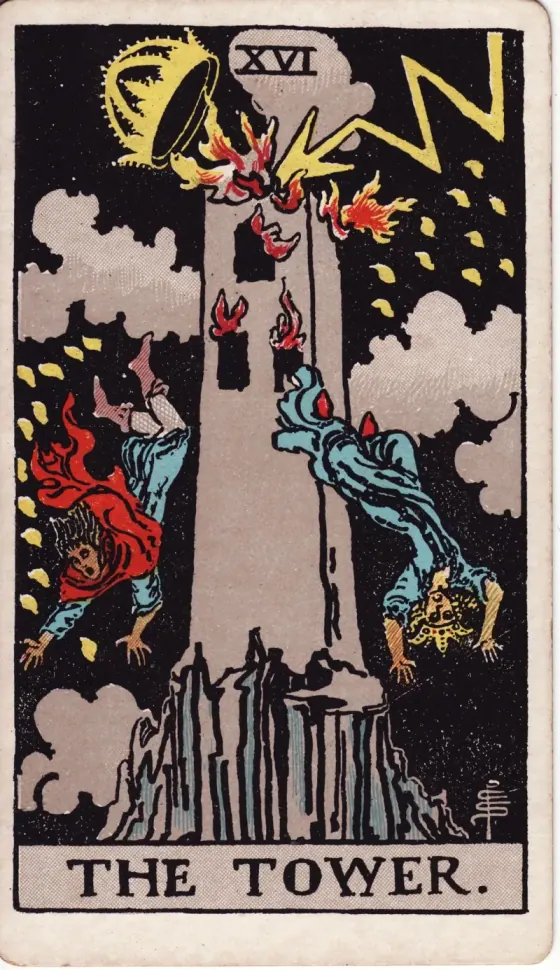
The crushing is not a fault. Do not play it as a failure of skill, you did nothing wrong; play it as the reminder that fate, sometimes, is not negotiated. Lower your head, and watch what is beyond you go past.
 you
you
 the world
The two resemble each other more than they oppose each other: in one case as in the other, what happens is not to your measure. It is the same hand that gives and that crushes, and it does not know you.
◆ An action played — the stolen page
Section titled “◆ An action played — the stolen page”One action, two cards, and the suit speaks on both sides. An ordinary defeat, which you take.
Regiord, in the corridors of the school whose door he slammed behind him. A Mistress Arcanist let him in on one condition: no brawling inside the grounds.
I walk toward the White Crab dormitory, mechanical, decided.
In front of the dormitory, Malias is talking with three students. He sees me and pulls out his staff by reflex.
Three students, a drawn staff: I could make an affair of it. But “no brawling” — the order comes back to me. A quick action, and never mind the rest.
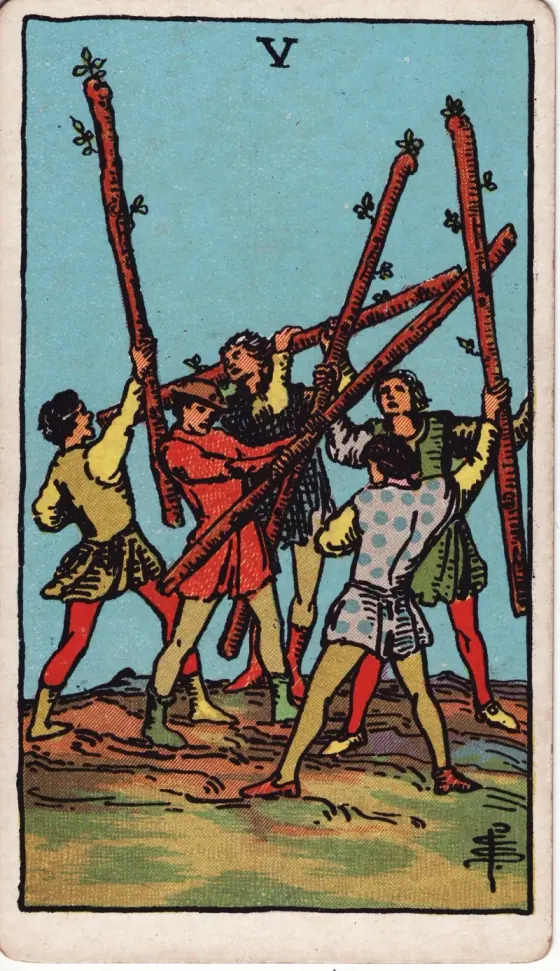
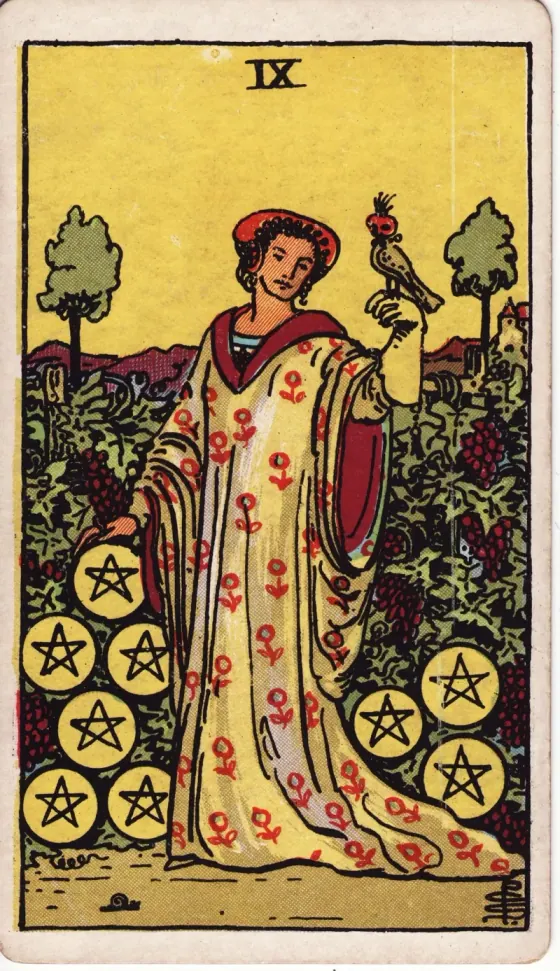
I try to snatch the sheet sticking out of his pocket, fast, on an impulse. I draw: for me, the Five of Wands; for the world, the Nine of Pentacles. The world wins, and it wins by Pentacles: mass, inertia, numbers.
 you
you
 the world
A student trips me; I stumble, my hand closing on nothing.
Keep at it from another angle? If I miss again, they stare, they recognize me — Regiord, the banished one, caught stealing inside the grounds. Not for one sheet of paper.
I swallow my rage, I step back, collar up. The page escapes me — never mind. Better an empty hand than a face given away.
Nothing comes to an end: fate had not come in, this is a lost action. I take it, simply. The recoil, one sentence from the body:
The iron taste of swallowed anger, the fists unclenching one by one. Another time, the page. Another time.
◆ An action is played once
Section titled “◆ An action is played once”
Two cards, the stronger wins, and you obey. What you wanted slips away from you, the scene goes on differently, and you do not attempt the same thing again in the same conditions: another angle, another moment, another price.
What dies is the means — never the thing. Nothing runs out, there is always a way left. That is the whole threat: not that the thing be refused you, but that you get it by a harder road.
◆ Three doors, played — what dies, what waits
Section titled “◆ Three doors, played — what dies, what waits”A single thing wanted, several roads to reach it. Two actions lost one after the other, no fate: nothing comes to an end, and yet something closes.
Nera, at the starport of Nandésis. Her skyglider is lying at the bottom of a ravine; she needs another one before the end of the week.
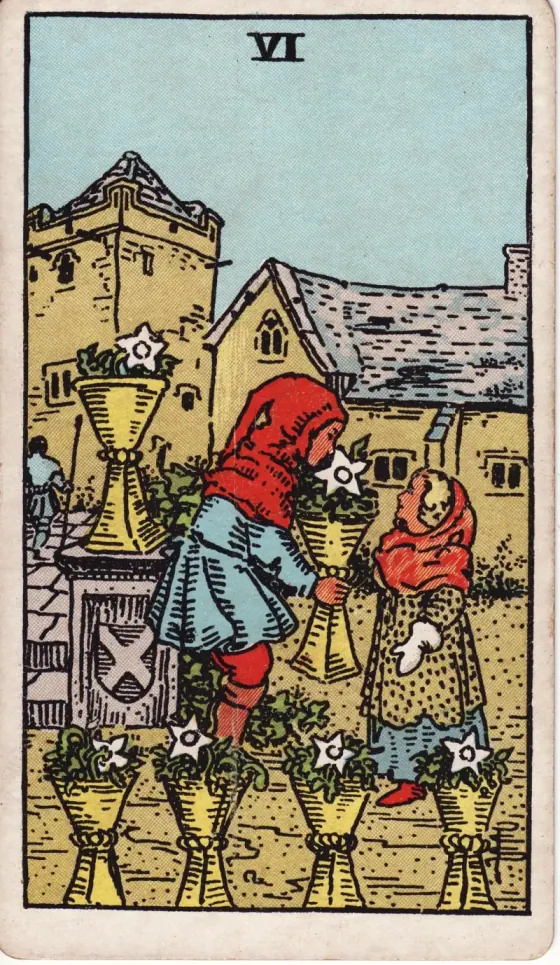
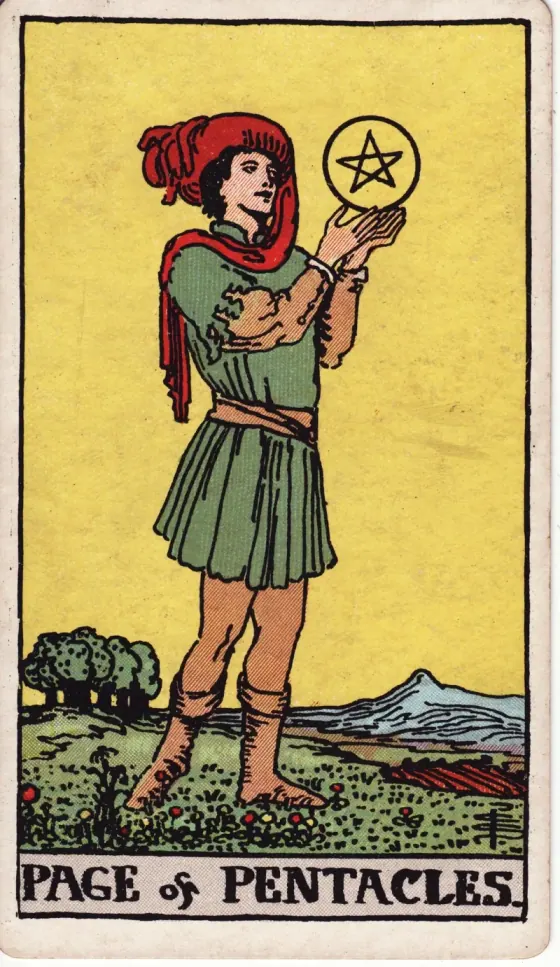
The fine door first — buying one. I have almost enough, and the dealer on the south quay has an old single-seater on its cradle. I draw: my card against the world’s.
 me
me
 the world
I name my price. The dealer does not even laugh: he shows me the door, and he speaks loudly enough for the whole quay. “That one wanted to buy a skyglider off me with a skyfarer’s coin.”
What has just died is the buying — not the skyglider. It is still there, on its cradle, thirty paces from me. And I will not come back tomorrow with the same offer and the same smile: an action is played once. The price, for its part, has gone up by a notch I will never pay in coin: now they know, on that quay, what I do not have.
Second door: borrowing one. Kamalia owes me a night of storm and two silences; hers is sleeping in the shed.
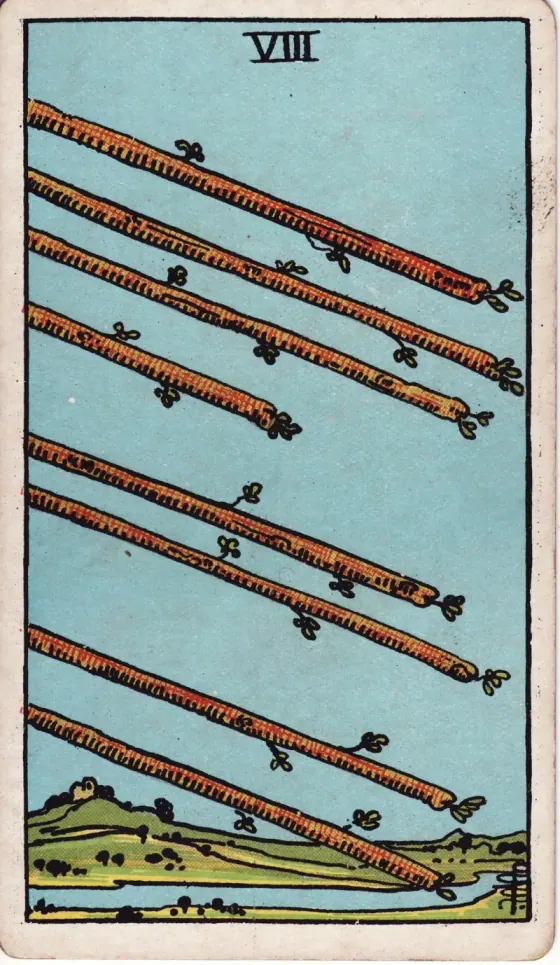 me
me
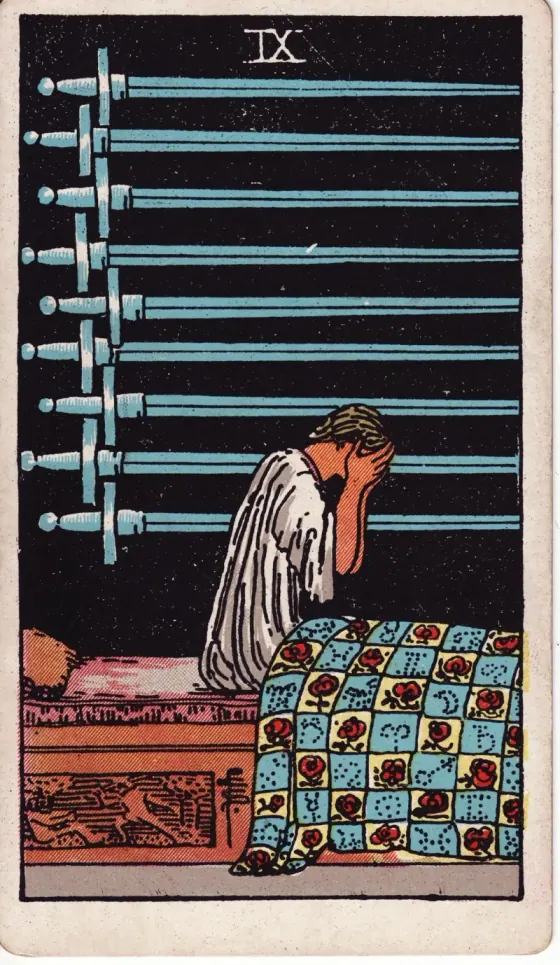 the world
Kamalia does not deny her debt. She looks at her hands. “Not that one, Nera. Not right now. Ask me for something else.” She will not say what is holding her; it shows well enough.
Two doors, two deaths, and the skyglider has not moved an inch. What is left is what I was keeping so as not to think about it: hiring on aboard someone else’s, under another name, and waiting for the port of call where they will leave me alone at the helm.
There is what the third loss would have taken from me. Not the skyglider: the right to get it cleanly. I close the scene there, on the quay, without having pushed that door. It will wait for me; that is exactly what worries me.
◆ Chaining actions
Section titled “◆ Chaining actions”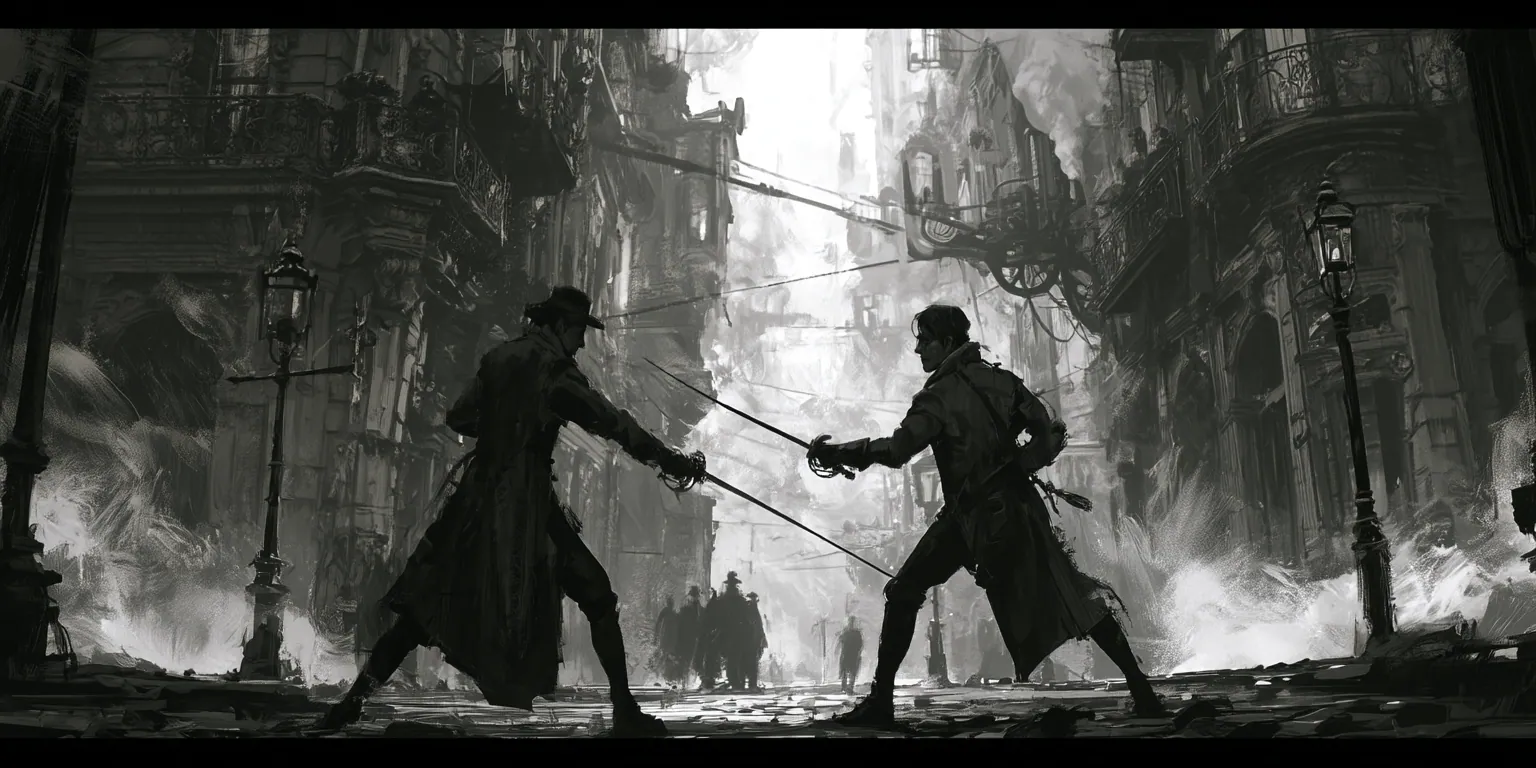
A confrontation does not always hold in a single move. The flight through the storm, the siege of a door, the duel that rebounds: play several actions one after the other, each resolved like the first: two cards, the stronger wins, you read, and you move on.
Nothing binds them together. No count to keep, no column to compare at the end, no shared Wagerwhat fate can take, named in two clauses just before you resolve: what it takes, what happens if it does not take it. What you wager must belong on the standing page or the portrait.part 6: each action is read for itself, and what it has just said decides the next one. The world beat you with the Swords? Then the next one is no longer played on that ground: you have learned something, and that is the cadence. It is not a count that closes a confrontation: it is the fiction, when it has nothing left to say.
Only know when to stop. If you need one more card to obtain what the scene has already given, you are holding it open by hand. And remember what holds everywhere: an action is played once. It is never the same thing you attempt again: it is another angle, another moment, another price.
◆ Play your first action
Section titled “◆ Play your first action”Have your character attempt something uncertain: haggling in a shop, piloting a machine, jumping from one roof to another. Draw two cards (you on the left, the world on the right), see who wins, then read the Suits (the four)Wands/Fire, what cannot wait · Cups/Water, what comes back · Swords/Air, the line that separates · Pentacles/Earth, what remains. They say a card’s matter, and how you acted.part 4: yours says how you acted, the world’s how it resisted. If it beats you, take it, and go on otherwise.
◆ What fate will add
Section titled “◆ What fate will add”Everything you have just read holds everywhere: the action does not change its mechanism according to whether a major opened it: it changes its price. When fate takes a hand, the defeat is not erased: what you had put in comes to an end, and what fate closes, only fate can open. None of that means anything here, where you risk only the fiction. (Part 6.)