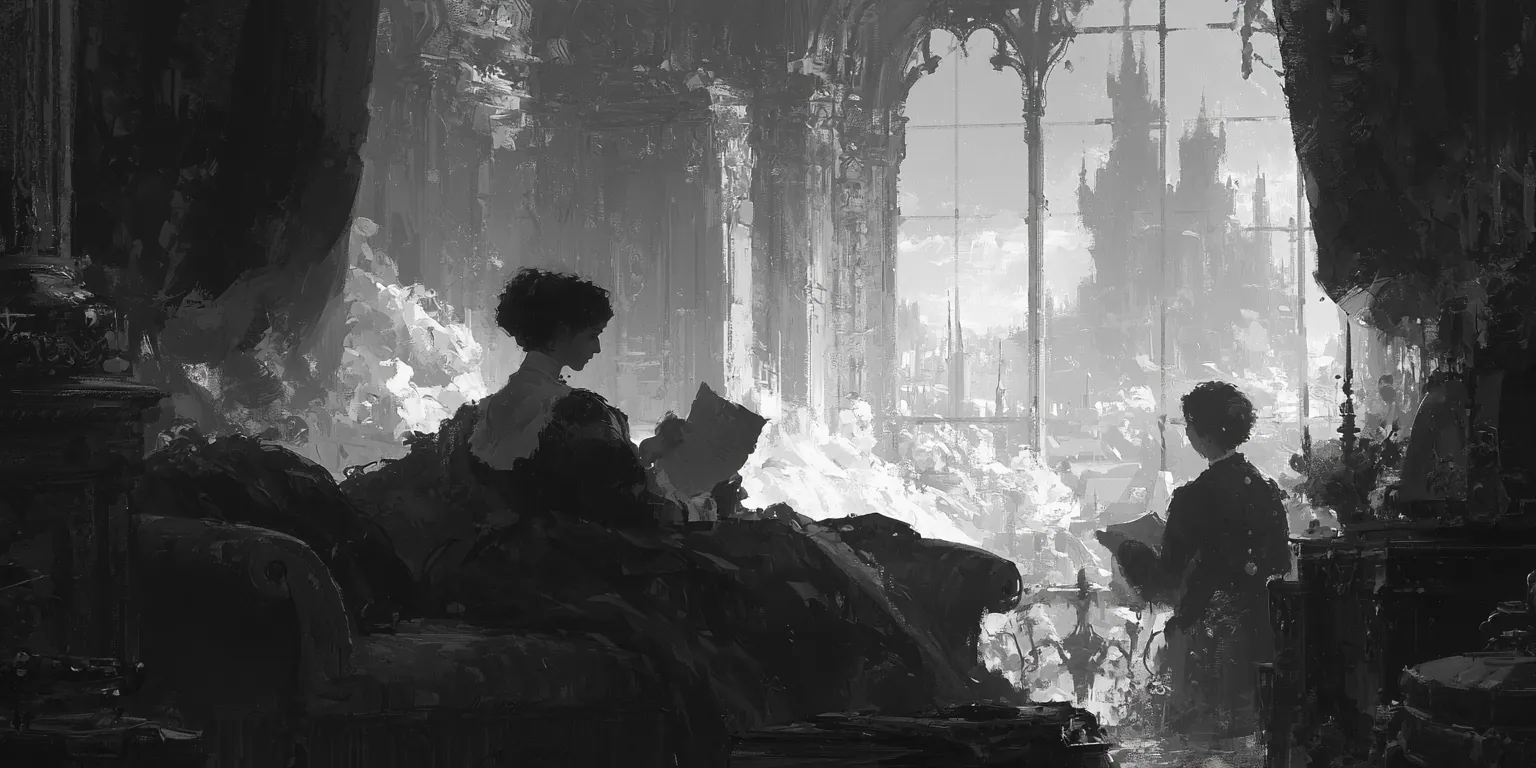
The world scene
watching the rest live
Sitting on the divan in my room, I look far out through the bay window. Beyond the garden of the estate, the town is waking, drowned in the white of winter. After all this time, I still wonder whether Nera will come back one day.
There is a knock at my door: I motion for whoever it is to come in. It is Filisa, the chambermaid.
“Lady Oliane, a letter for you.”
I take the fold of paper. It is thin, coarse, a little damp. It does not come from the nobility, and it has traveled a great deal. I open it, I read the first lines…
Nera — it is her! A cry of joy escapes me. She is alive; she says only that she is taking her time, to come home safely. And it is to me that she writes, because she knows I can be trusted. What a relief.
I fold the letter again, and already I am thinking ahead. Her enemies, here, are many: I shall have to prepare the ground.
The world scene is the moment when you set down your hero’s pen and watch the rest live, far from your character’s eyes. Sometimes to move forward a question left hanging. It gains a notch while he sleeps. Sometimes for nothing at all: a moment of life somewhere, and that is all.
◆ The world scene — the world advances without your knowing
Section titled “◆ The world scene — the world advances without your knowing”A world scene is a Scenethe unit of play: you open it, you play it, you close it.part 3 like any other: you open it the same way, you play it the same way, you close it the same way. One thing alone sets it apart, and you declare it before you begin: your character is not in it. The world moves behind his back, and you watch.
Two uses, the same rules. Most often it serves what pends: a Stakean open question on which somebody else is making progress: it does not forget itself, and it does not ripen on its own.parts 8, 10 gains a face, a motive, a notch of advance; a Waitan open question that nobody else is looking into: it belongs to you, it ripens, it has the right never to close.part 8 grows more precise without his knowing a thing. But it can also serve nothing at all, and be no more than a breather: a market at dawn, a vigil in a bedroom, a room where somebody waits for someone who will not come. Nothing advances there, and that is not a fault: the world has the right to exist when your hero is not looking at it.
What rings false is neither one nor the other: it is to fill a page because you owe one. A world scene written out of duty shows from its first line.
Three rules, and nothing else.
After three scenes, it is the world’s turn to speak. Not a permission that opens: a turn that comes. The world only starts to speak once you have left it time to fall behind, and that lag, it does not make up alone. The count is held in your head, never on the page, and only the scenes you have played at his side count: an ellipsis is not one. The floor, for its part, does not expire: as long as you have not given it to him, he still has it.
Never two in a row. The world takes the floor, then it gives it back, and two in succession, and it is no longer your character crossing a story, it is you telling it in his place.
Fatewhat comes in when you keep a major at the opening, and by no other door: the moment stops being ordinary. What it closes, only it can open.part 6 does not come in. A Major Arcanumone of the twenty-two named cards, from The Fool to The World. It does not answer: it names, and it weighs.parts 2, 4, 6 taken at the Opening (the)the gesture that begins every scene: three cards, you keep one, you give up the other two. The only draw where choosing costs, and the only door of fate.part 3 of a world scene colors the world and tips it over all the harder, but you neither face nor endure anything there: you do not commit someone who is not there.
Any world scene gives him the floor, the one that moves a stake forward as much as the one that merely lives. For what this turn guarantees is the presence of the world, not the advance of your questions: that one is settled when you close a session (part 10). Without that presence, stakes stop being stakes: nobody is working on them any more.
So what do you play? Three things present themselves, and it is for you to settle it: a stake that gains a notch, a wait that grows more precise, or a breather that advances nothing. When it is the Stirringthe gesture that brings a stake to life: drawing through to a major, then playing a raising.part 10 that brings you here (a Raising (the)the world scene by which a stirring is raised, far from your character.part 10, a restart), the question does not arise: the stake is already named (part 10). The rest of the time, it is wide open.
If nothing comes to you, let the Cointhe oracle of closed questions: heads the first pole, tails the second. It never resolves an action.part 1 settle it. Two Poles (the two)the two worlds you set down yourself before tossing the coin: never a yes and an empty space.part 1, the two that tempt you, it does not take three, and that is that. The simplest split is often the best: is something advancing, or is this merely living?
Yes, it is your own choice you are handing to the oracle, and you have every right to: deciding not to decide is still a choice, and it is exactly what you do when you endure a fate (part 6). A variant, if you feel like it: instead of asking what you feel like, ask what the world is busy with right now, far from him. Not that it is truer, it is more fertile; a question set on the world can answer something other than what you expected.
Play it large. If something moved there, note it on the Standing pagethe page that keeps what is pending: living actors, waits, stakes, desires under way, doors closed by fate. There is only one, and it replaces the previous one.part 8: you know; he does not. That gap works on its own, until the day it breaks out.
◆ A world scene, played
Section titled “◆ A world scene, played”A question has been sleeping on Nera’s standing page since the pursuit: the masked man who made her out to be a thief — who pays him, and why her? I want to move it forward, but without Nera: she believes the matter closed.
I open the scene. Among the three cards, The High Priestess: the secret, what is known and not said. I keep it, and I read it to color the aside: a scene of things unsaid. I leave Nera, asleep at her inn, and I look elsewhere.
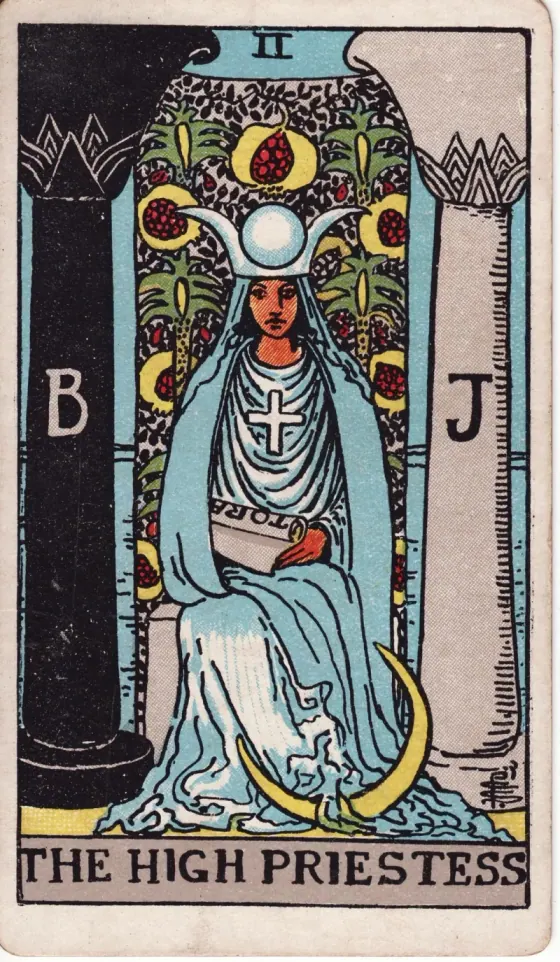 kept
kept
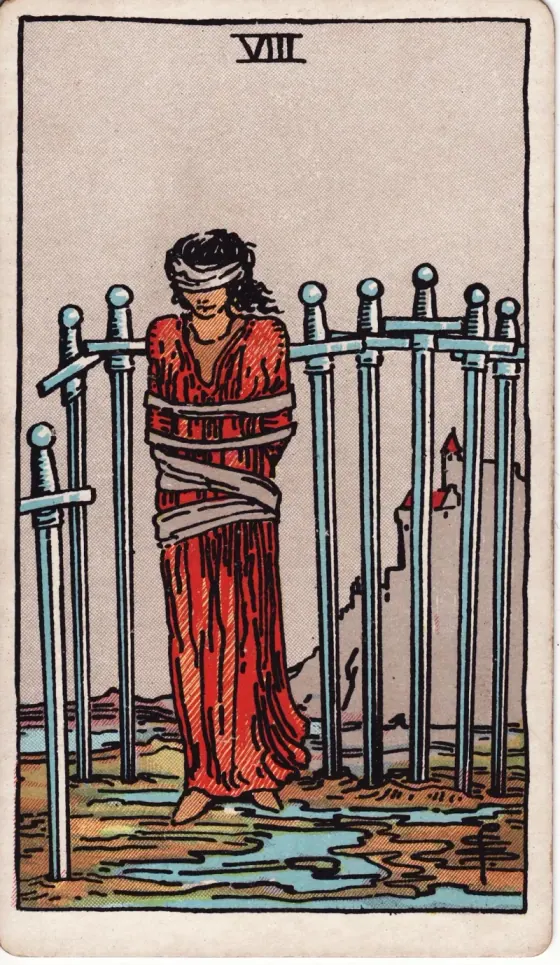 left
left
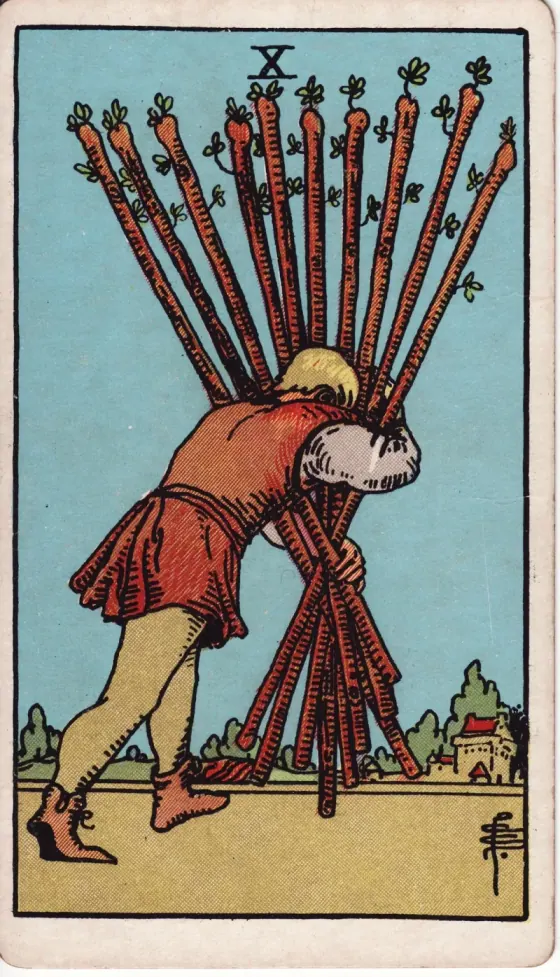 left
left
In a windowless back room, the man in the mask renders his accounts. Across from him, a veiled woman listens without a word, then sets a silver coin on the table. One only. “The girl thinks she has been dropped. Perfect. Let her think so another year.” The man pockets it, bows. “And if she works her way back to you?” The woman stands. “Nobody works their way back to me.”
There is the question moving forward: the mask is not acting for himself, he is paid; and behind him, a commissioner who wants Nera dirtied but alive, for a reason she alone knows. None of this does Nera know. I do. I note on the standing page, beneath the old question, this notch more:
The veiled woman — commissioner of the masked man — wants Nera dishonored, not dead · why keep her alive? — Nera does not know it yet.
That is all. The world spoke for a minute, behind my heroine’s back, and the trap closed a little, without her hearing it.
◆ A breather, played
Section titled “◆ A breather, played”Three scenes I have been in Nera’s skin, and the world has the floor. Nothing pends that asks to move, so I look elsewhere for a minute, and nothing will advance.
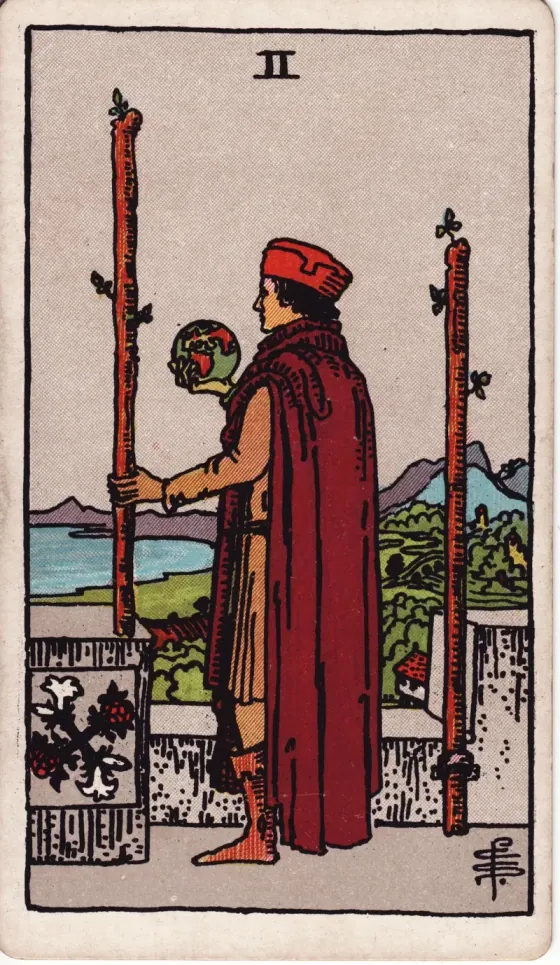
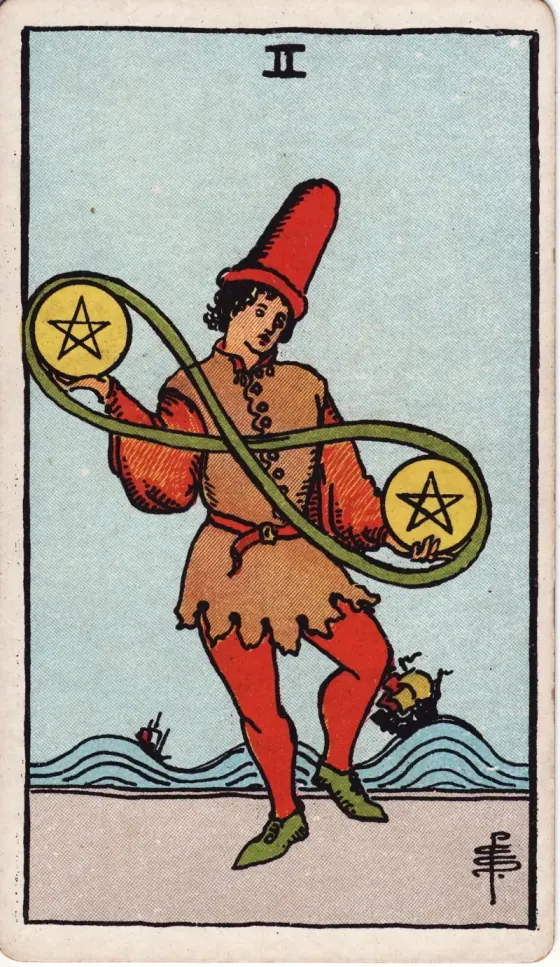
I open as always. Among the three cards, the Four of Cups: what is held out and the other does not see. I do not look for what it could serve: I take it for what it shows.
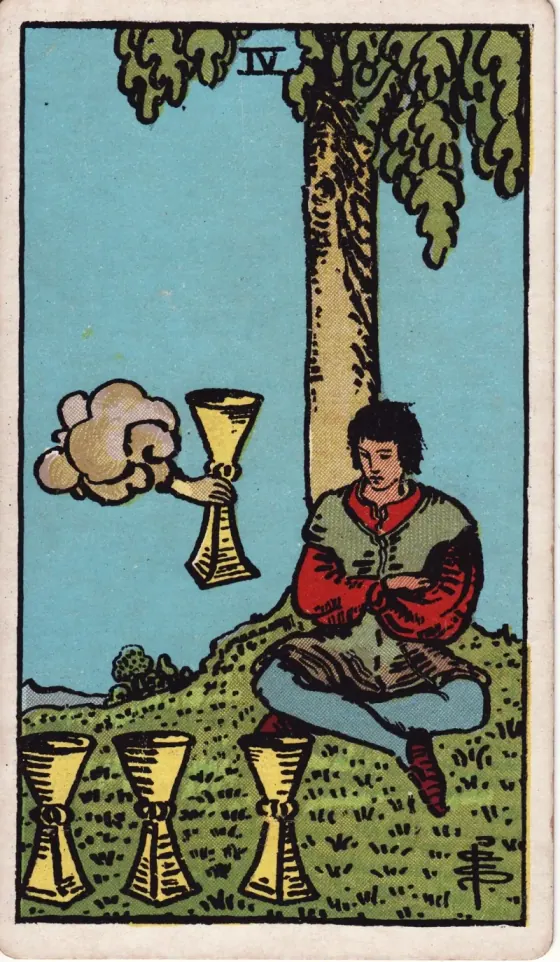 kept
kept
 left
left
 left
left
On a low jetty of the lower city, a girl holds out a fruit to an old skyfarer sitting against his hold. He is looking elsewhere, at the inland sea, the barques coming in with the evening. She waits, her arm held out. Then she sets the fruit down beside him and goes. He has not seen her.
That is all. No stake has moved, no wait has grown more precise, and I have nothing to carry to the standing page. I have spent a minute in a city that lives without Nera, and the world has taken the floor back. Tomorrow, I return to her skin.
◆ Play your first world scene
Section titled “◆ Play your first world scene”Take a stake from your standing page, one you would like to see move without your character having anything to do with it. Draw a card: play a brief aside of the world (an Actora presence that wants: someone who will come back and weigh, where the Backdrop is forgotten. You anchor him on the standing page in one line.part 7 acting, a force setting itself in motion), so that the question gains a notch. Then note what you now know, and what he still does not.
And if your standing page carries nothing yet (likely enough, stakes are born in the next part), play a breather: a place, an hour, somebody who has nothing to do with you. You will have nothing to write at the end, and it will have been played all the same.
The world scene has one particular use, at the very start of a game: that is part 10.