The everyday
reading the cards
The quay at Mélaïde, at the slack hour. Phil and I, legs hanging over the edge, watching who goes by.
“You see, there are people whose matter you know at first glance. Falna, over there, bringing in her flour: she burns with the Desirewhat your character wants. No mechanism, no count: it orients what you play.part 11 to do better than yesterday. Orace, my necrolic professor, speaks of the dead with the tenderness of still water. And the old ferryman, the one who moors down below — he has the edge of air.”
“And me?” asks Phil.
“You, my brother, are patient and serene like the earth that lets the seeds germinate.”
The everyday is what plays out when you have kept a minor at the Opening (the)the gesture that begins every scene: three cards, you keep one, you give up the other two. The only draw where choosing costs, and the only door of fate.part 3. Fatewhat comes in when you keep a major at the opening, and by no other door: the moment stops being ordinary. What it closes, only it can open.part 6 has not come in; the Scenethe unit of play: you open it, you play it, you close it.part 3 stays level with the world. This is where almost the whole game happens, and it is made of the matter of the four suits.
◆ A scene of the everyday
Section titled “◆ A scene of the everyday”Do not trust the word: the everyday is not the small. A scene can be descriptive and nothing else (a market at the slack hour, rain on a bridge, a tea going cold), and have no office but to put you somewhere. It can be light: two questions, three sentences, and you close it.
It can also be dense, tangled, harsh, with a negotiation turning sour, a farewell, a betrayal being prepared under the Table (the)the surface in front of you: the cards drawn stay in view on it for the length of the scene.parts 2, 7. Nothing prevents it, and nothing there will be any less strong for it. What makes the everyday is not the calm of what happens in it: it is that nothing is put at Stakean open question on which somebody else is making progress: it does not forget itself, and it does not ripen on its own.parts 8, 10 in it. You risk nothing there that you have named in advance; fate has not sat down across from you.
So play them as they come — spare when the day is spare, full when it overflows. Some of your best pages will come out of a scene in which nothing was happening.
◆ The four suits — the matter
Section titled “◆ The four suits — the matter”You have already drawn cards: you have therefore met the suits without anyone explaining them. Here they are for real: not what they mean (that, you read freely), but what matter they are made of. This matter will serve you twice: to read a card, and to say how you act (part 5).
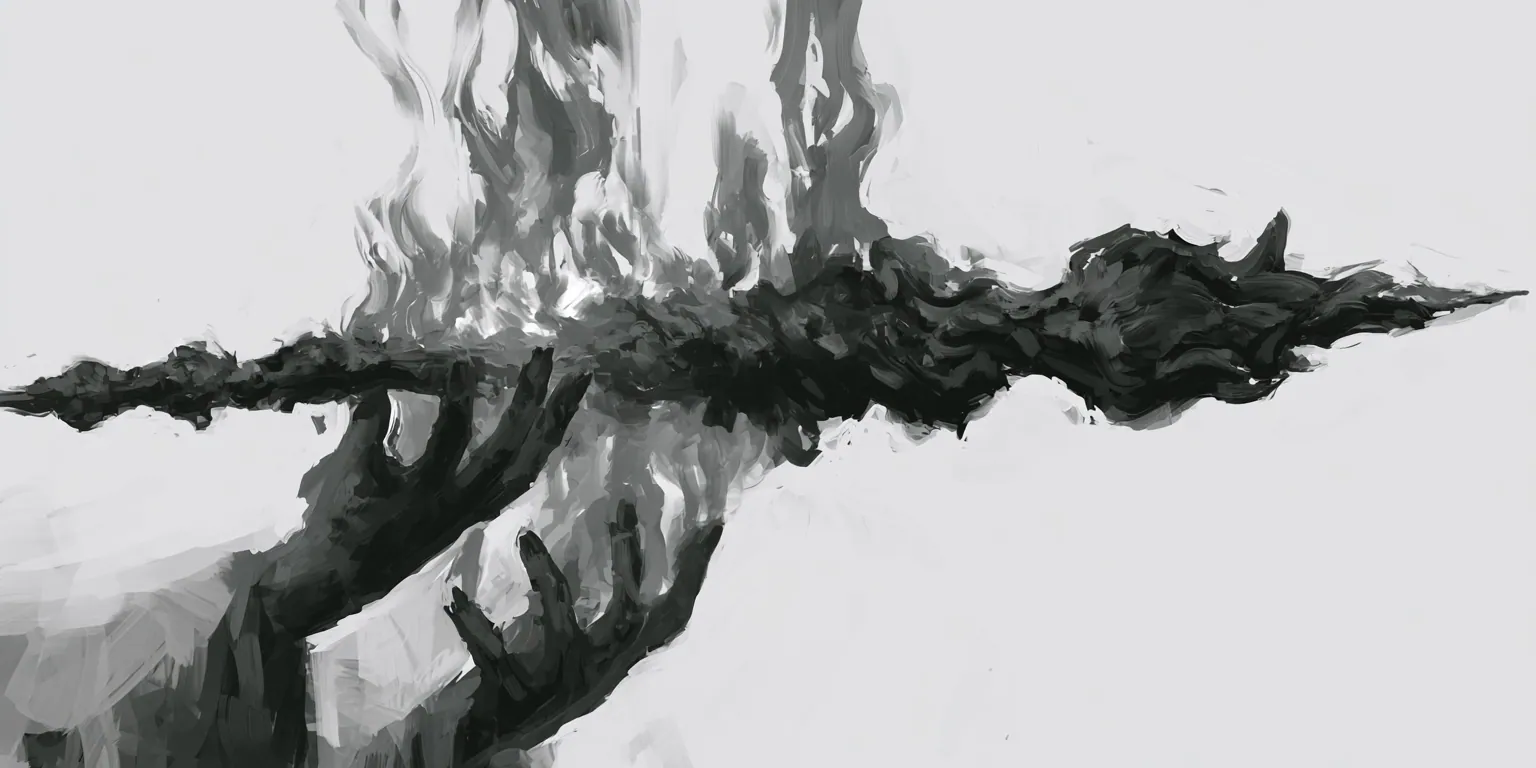
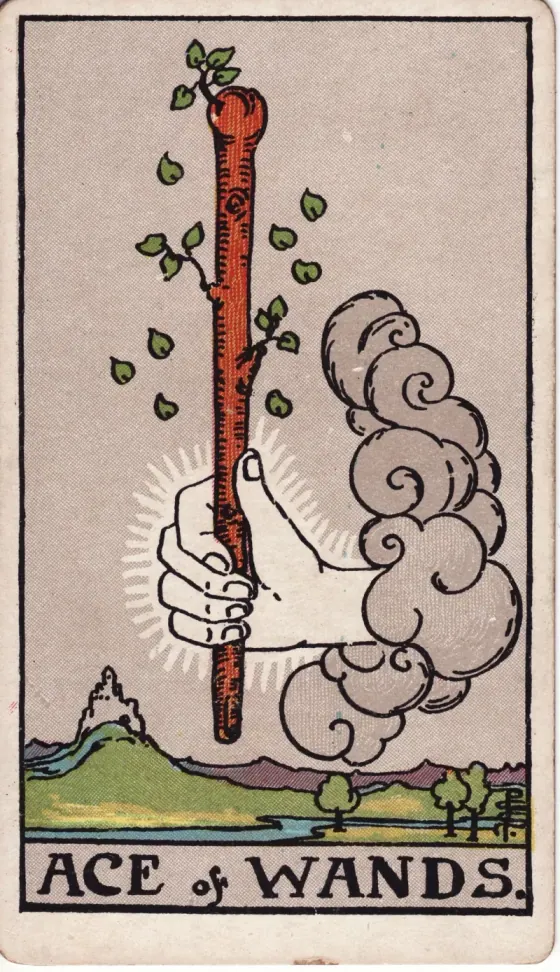
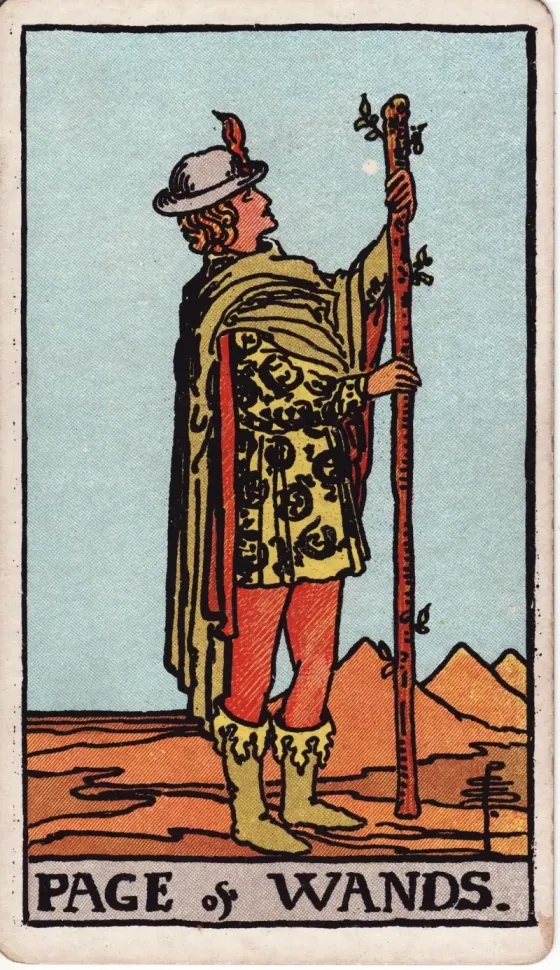
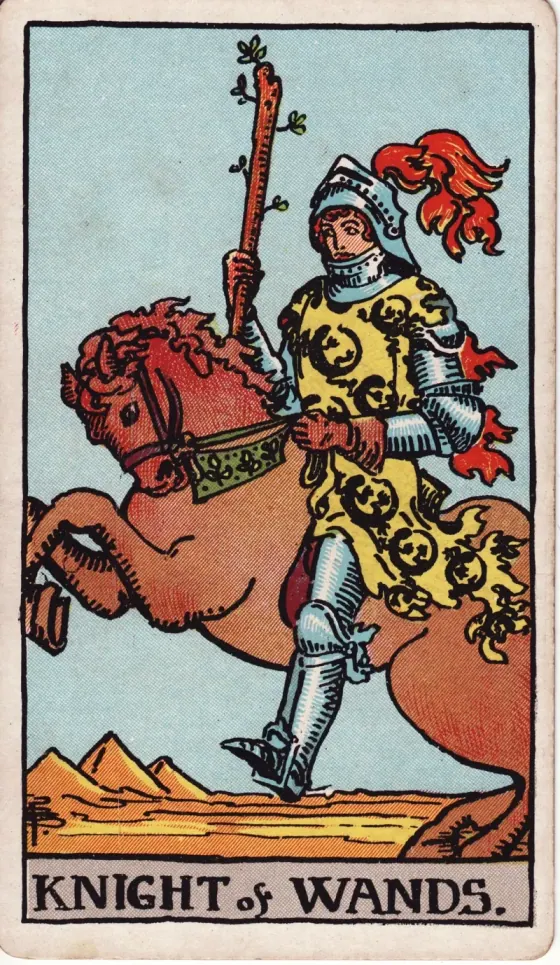
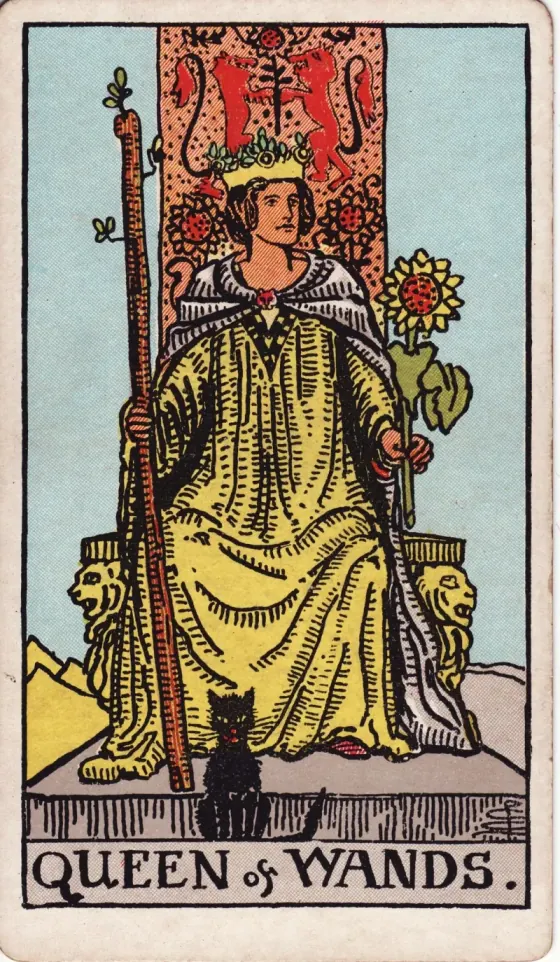
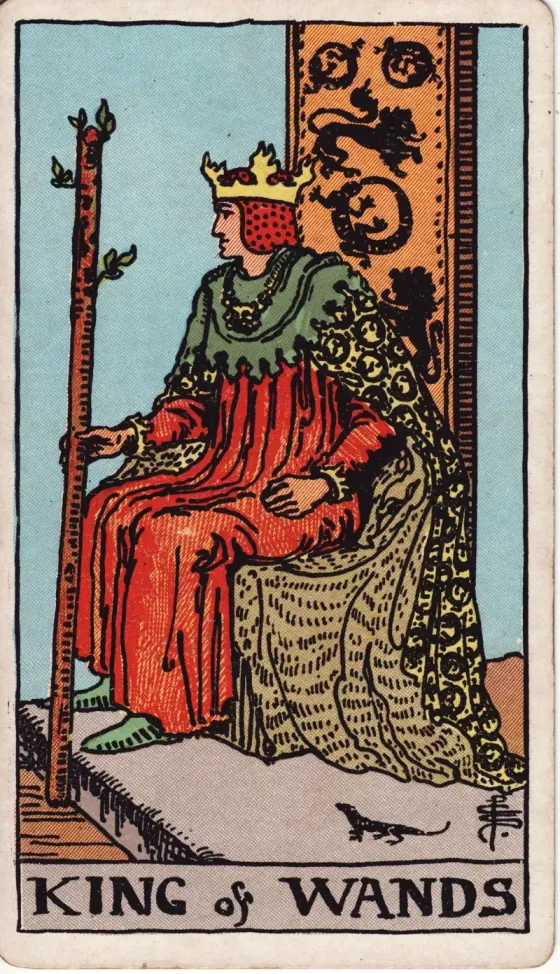
Wands — Fire. What cannot Waitan open question that nobody else is looking into: it belongs to you, it ripens, it has the right never to close.part 8. Living wood, cut: the wand was a tree, it grows and it burns, sap and ash. The heat of a forge, the smell of smoke on a garment the next day, the second when the match catches. Fire has neither memory nor patience. It is wholly in the instant in which it consumes. In a body: the pulse rising, the hand that goes before the decision. When a Wand falls, something is pushing; it wants, it leaves, it overflows. There is no lukewarm Wand. In its light, the one who kindles others; in its shadow, the one who burns everything, his own people included.
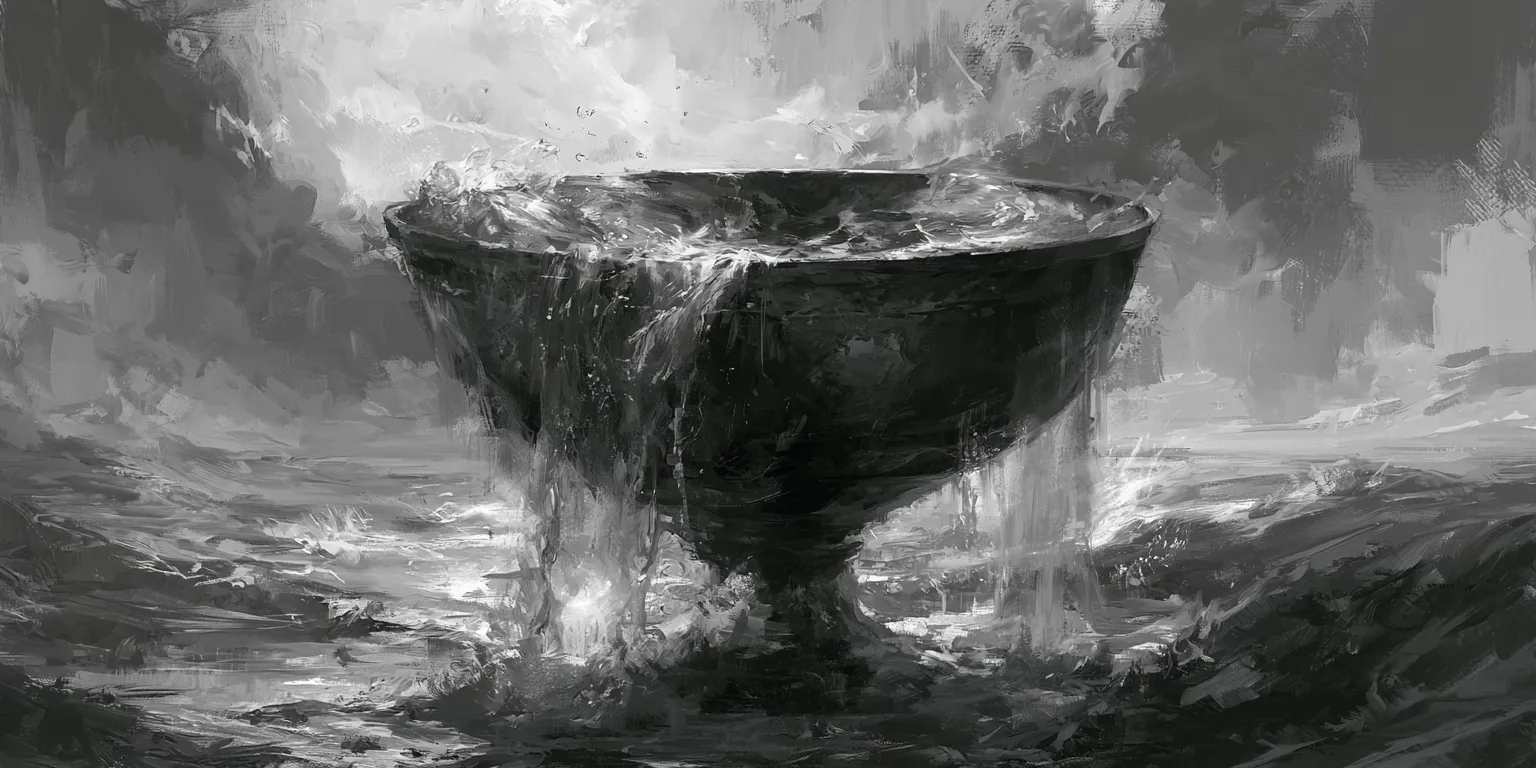
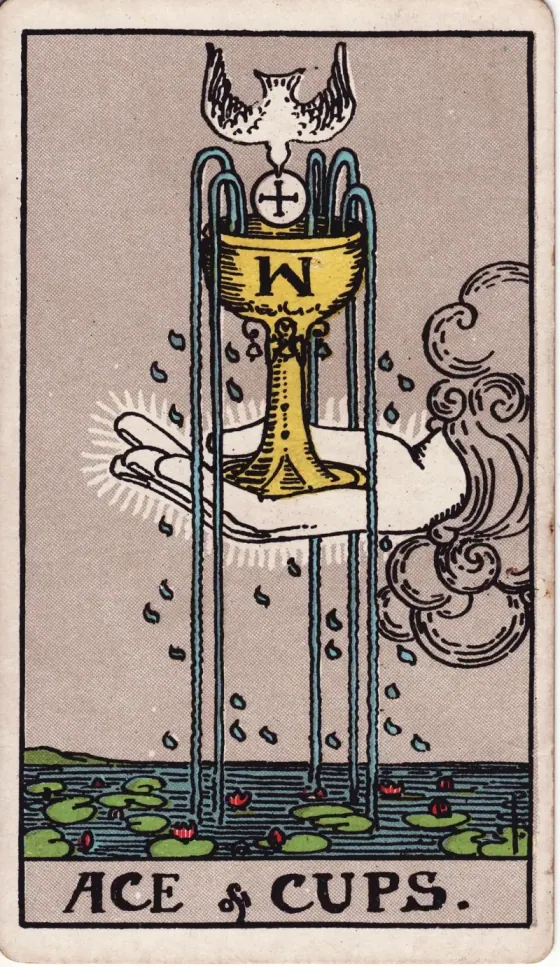
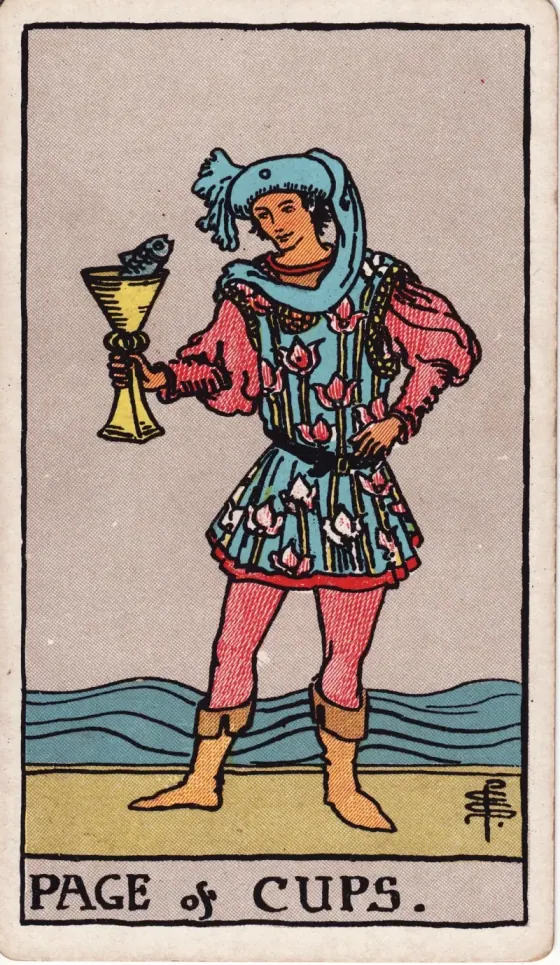
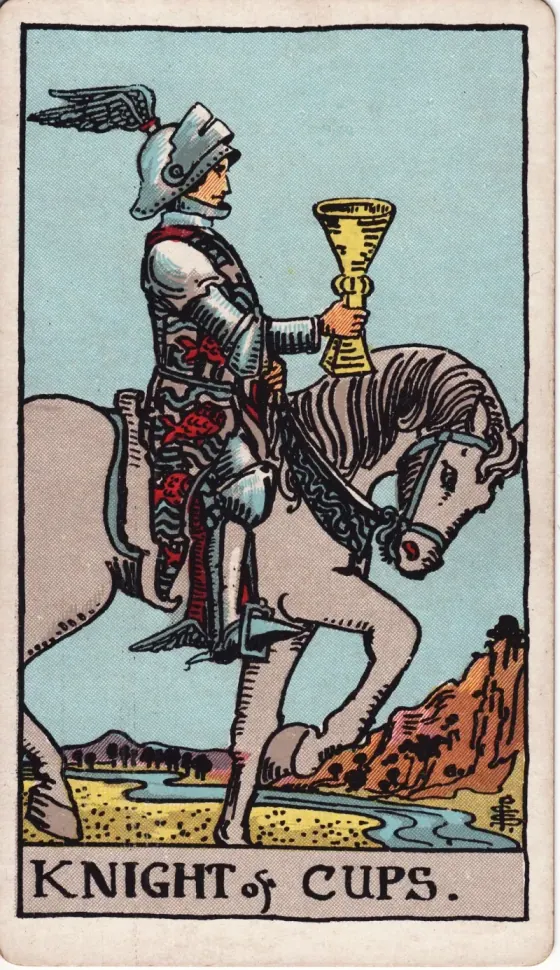
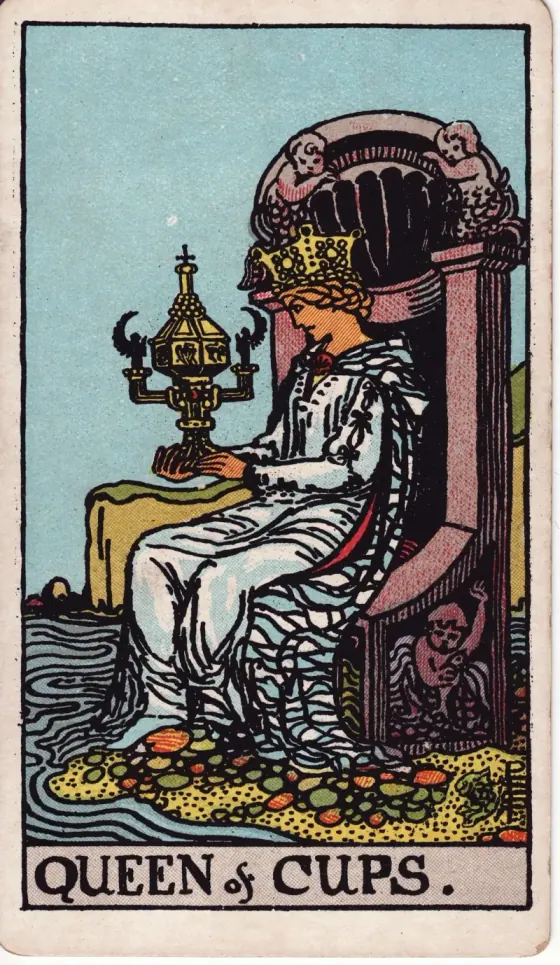
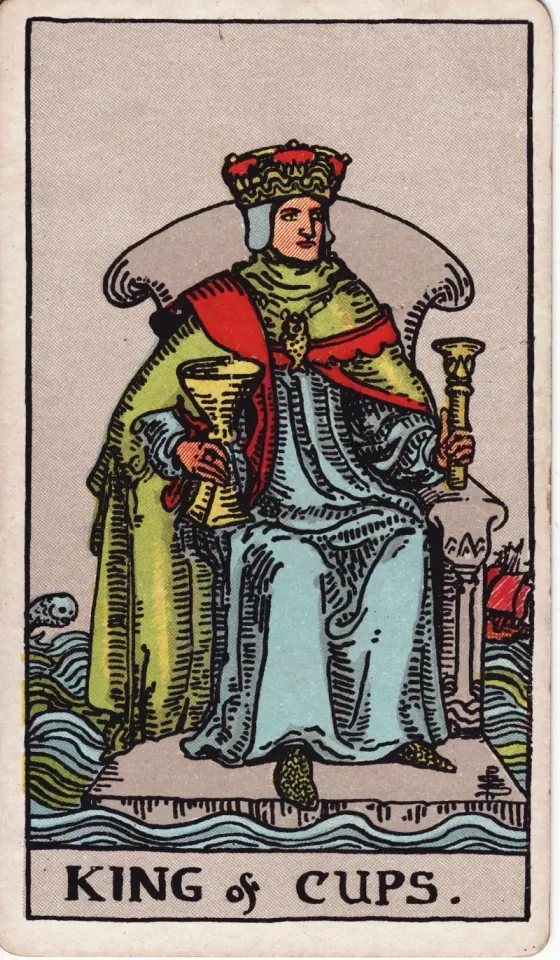
Cups — Water. What takes the shape of whatever holds it. Rain on a window, the weight of a full cup, mist, the glass of water set down by the bed at night. Water has no shape of its own: it is the cup that gives it one; a feeling with nobody to address it to is nothing, it is the Bondwhat an actor seems to expect of you, written on the standing page and never crossed out: you stack, you do not correct.part 7 that gives it form. And water turns: tide, rain, spring, it always comes back. What a Cup brings is rarely new: it is what rises again. In a body: the throat tightening, the warmth in the chest. It binds, or it drowns, and water finds the crack, and wears down the stone, not at a stroke, over time. In its light, the heart that unites and heals; in its shadow, the love that imprisons, the cup one drowns in.
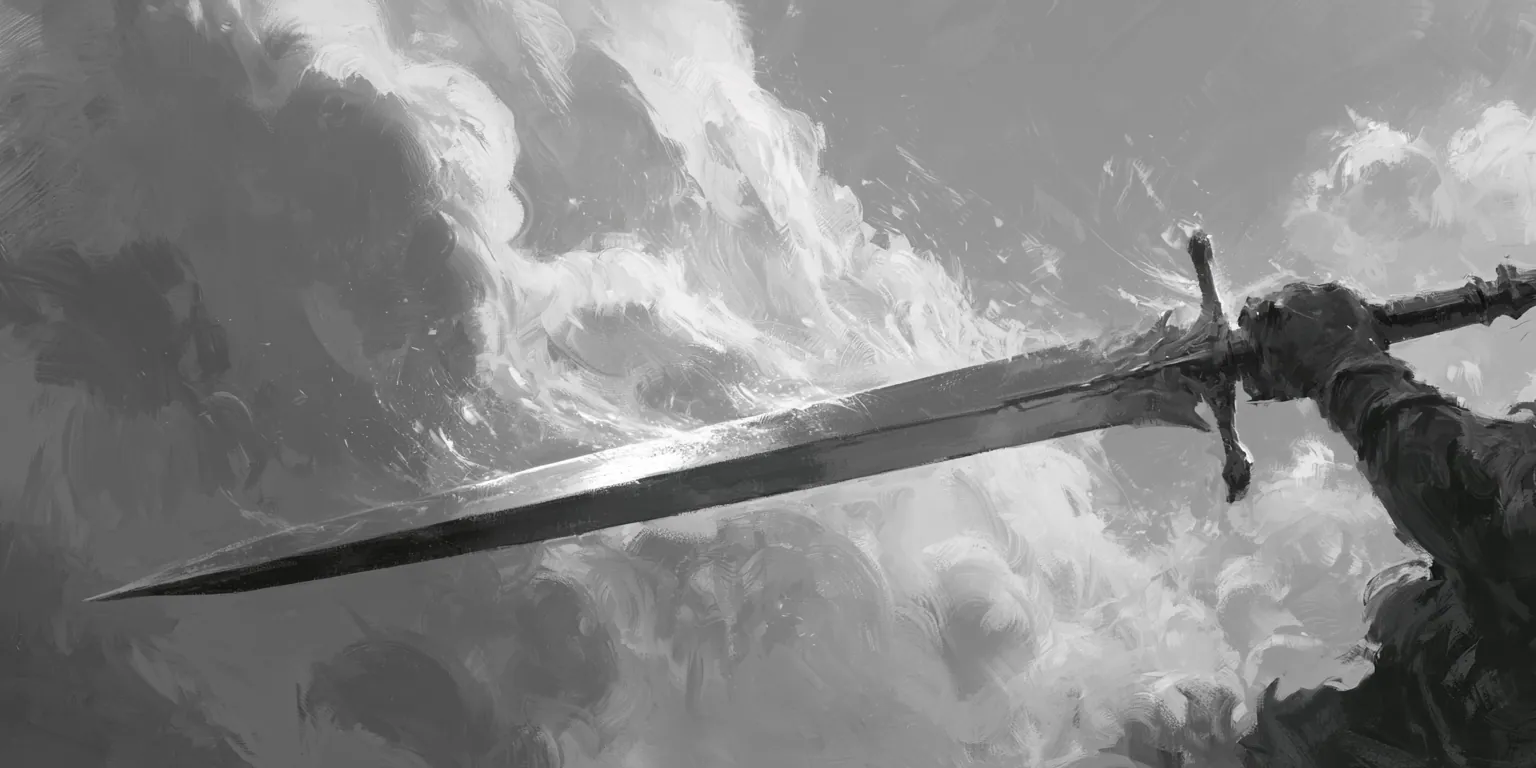
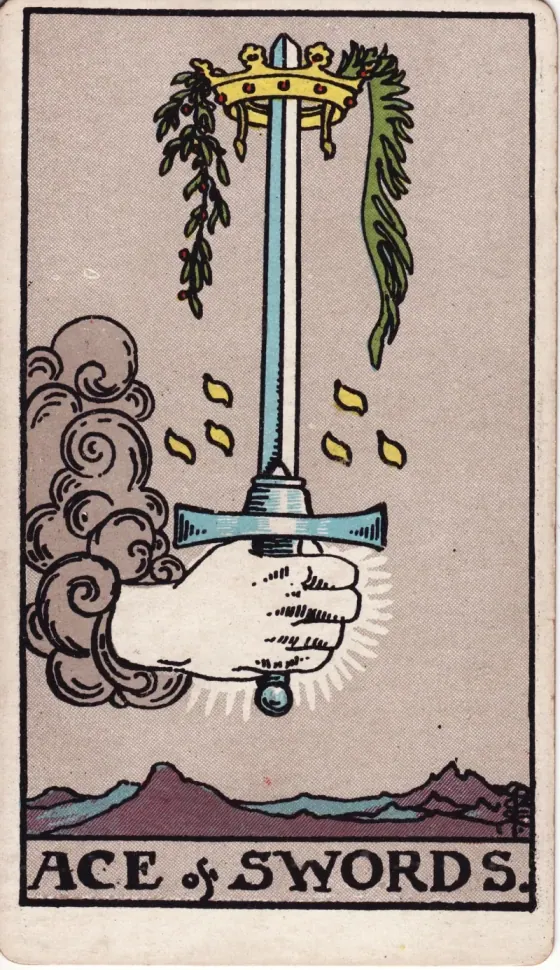
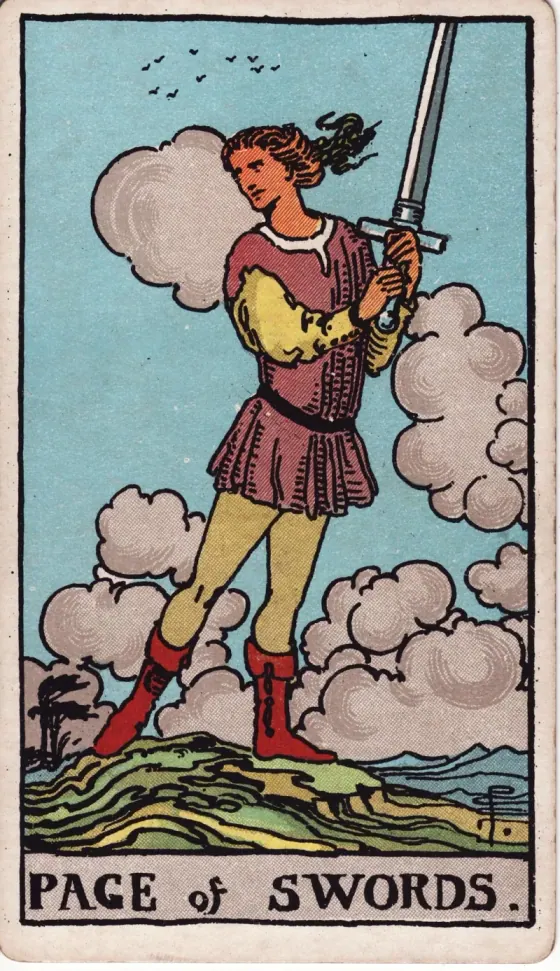
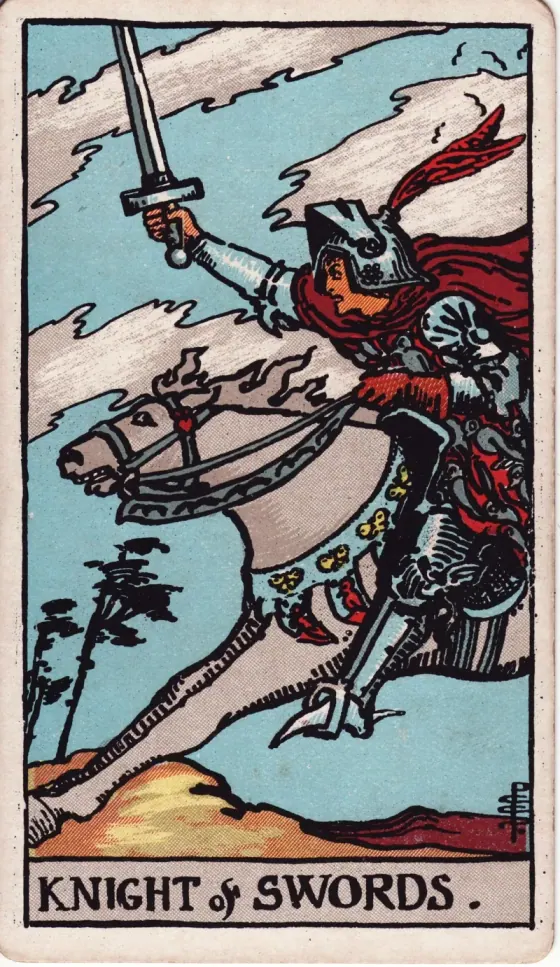
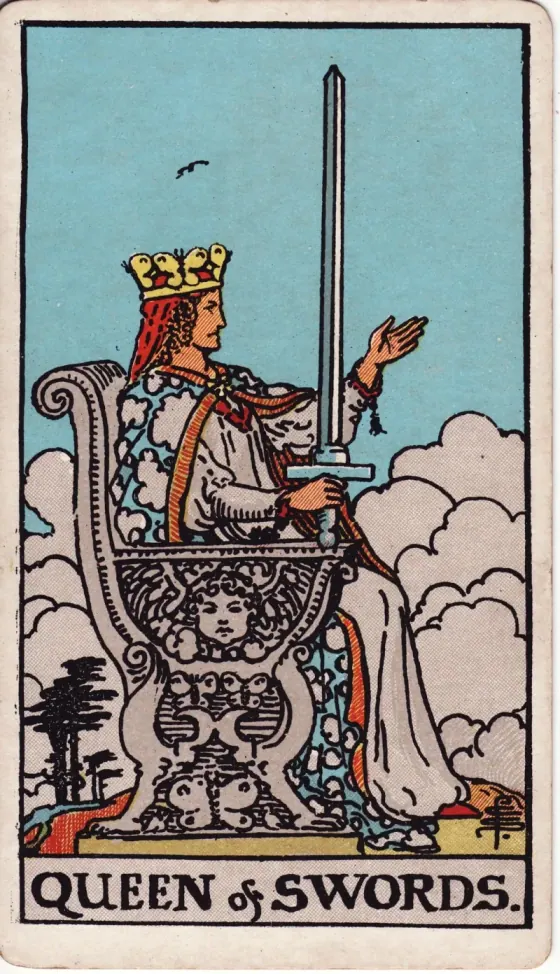
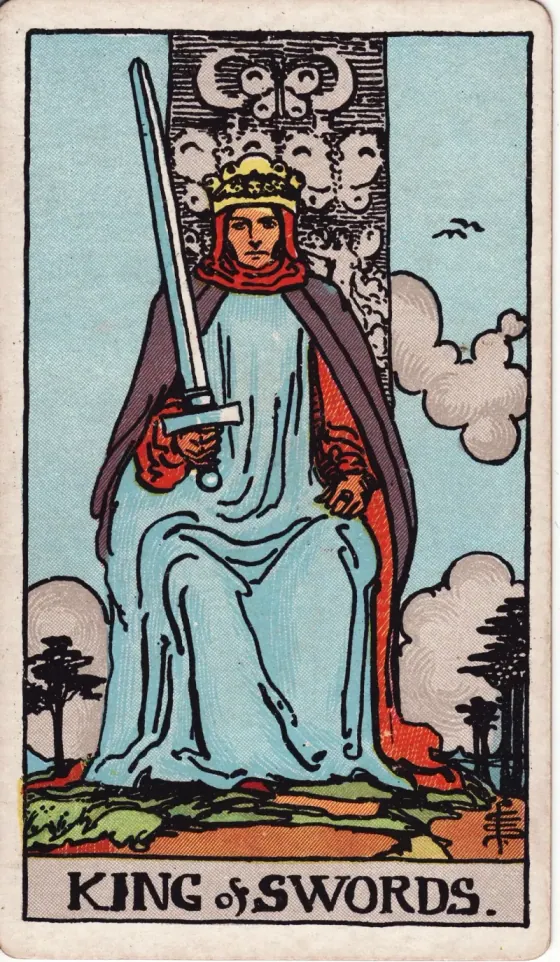
Swords — Air. The line that separates. Steel, cold, a winter sky, breath made visible in freezing air, the sound of a blade being drawn. The sword is forged air: the edge is a line, and a line does only one thing: put on one side what was mingled. No duration: the instant of the cut, a before and an after. In a body: the sharp intake of breath, clarity, and the sleepless night. A Sword names, and to name is to separate: the true from the false, but also people from one another. The truth that frees and the word that wounds are the same card. In its light, the clear-sighted judge; in its shadow, intelligence in the service of a lie.
Pentacles — Earth. What remains. Stone, bread, the earth after rain, Cointhe oracle of closed questions: heads the first pole, tails the second. It never resolves an action.part 1 at the bottom of a pocket, a wooden handle worn by use. The pentacle is matter that people have worked and to which they have given a price: earth that is worth something. Seasons, years. Nothing that Earth carries arrives quickly, everything in it has already been arriving for a long time. In a body: tiredness, hunger, the warmth of a roof. It weighs and it holds. It is the ground beneath the other three: without it, Fire has nothing to burn, Water nowhere to run, Air nothing to separate. In its light, the builder, the foundation; in its shadow, the miser, the earth that smothers.
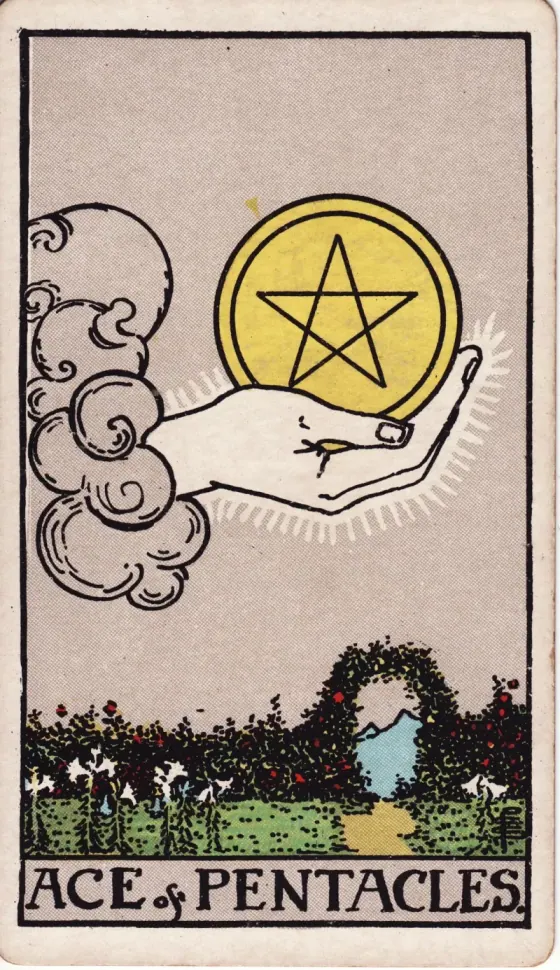
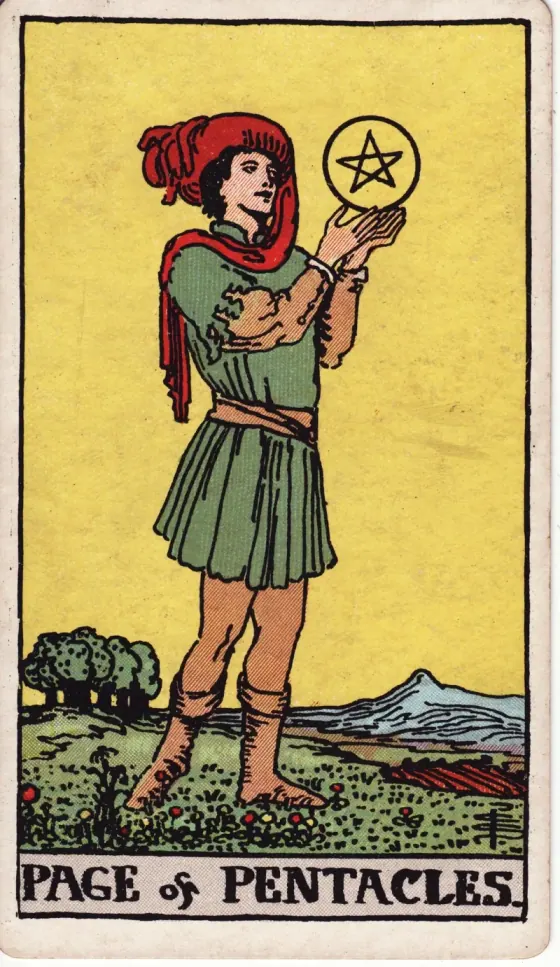
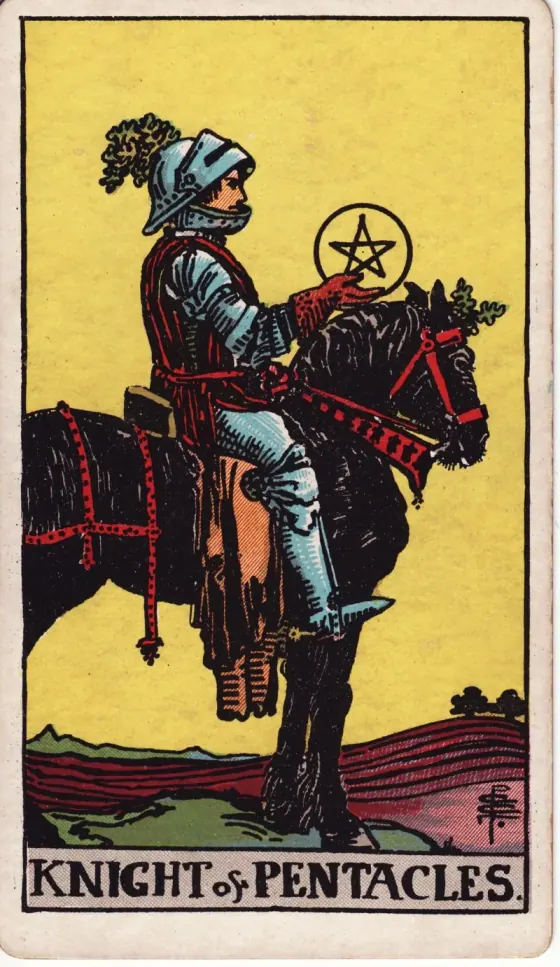
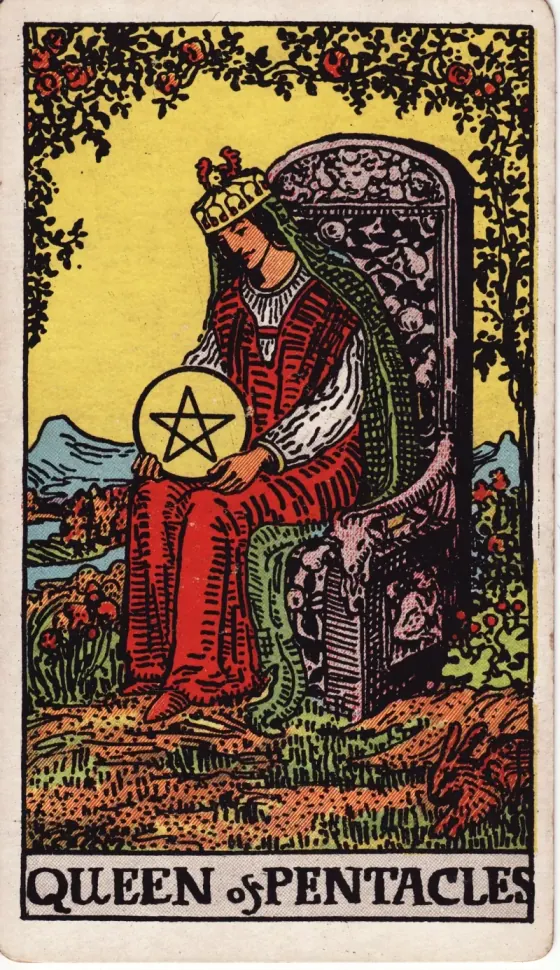
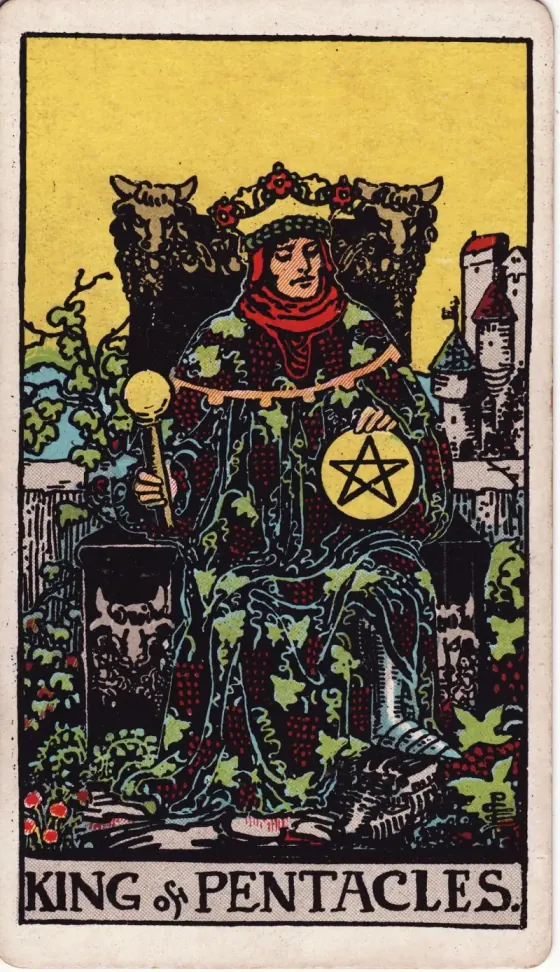
And the fifth — fate. The four suits are matter; the major is not. It has no element, no time, no body. It is what crosses the four: the way out that did not exist a second before, the door in the bare wall. Where Fire burns and Earth holds, the major befalls: it is no longer the color of the world speaking, it is what weighs on it. (What it does, just below.)
◆ When a major falls in the everyday
Section titled “◆ When a major falls in the everyday”
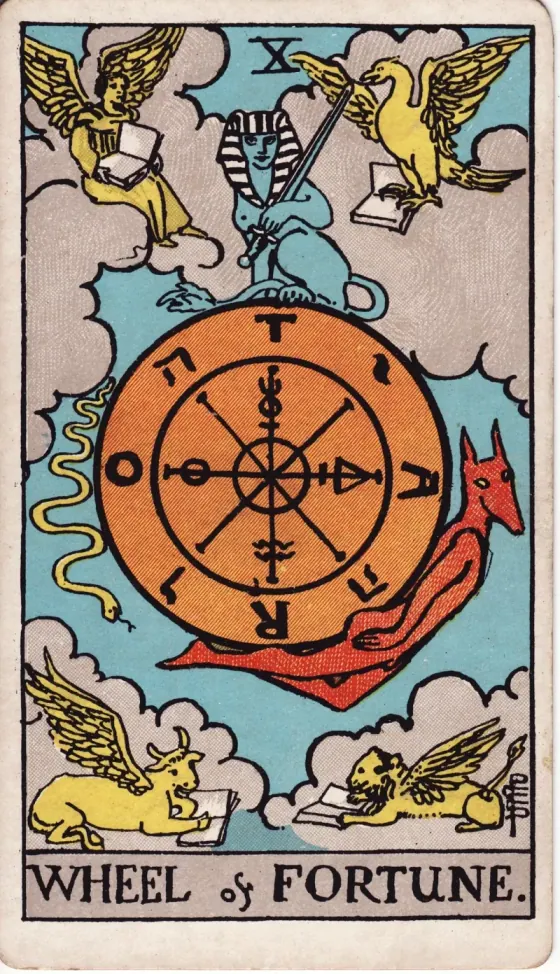
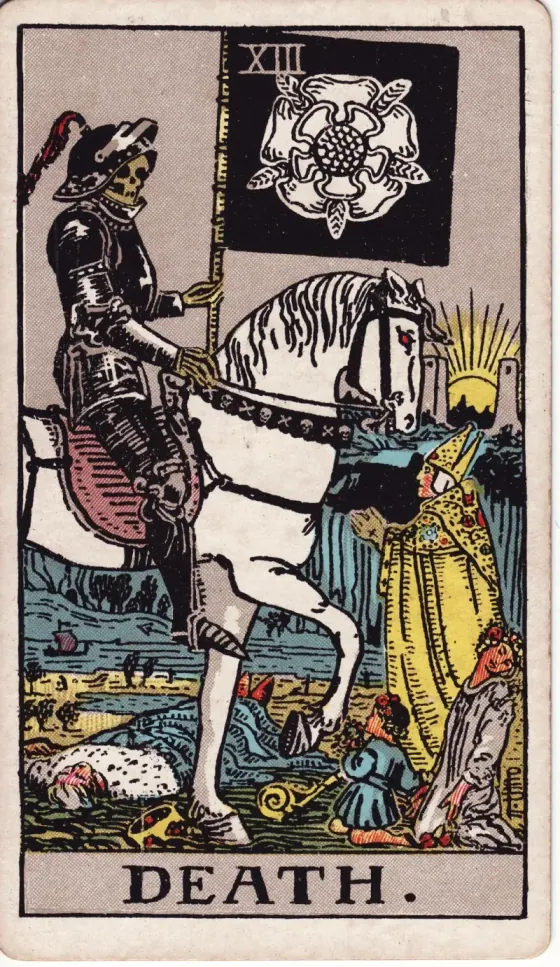
A major can fall mid-scene, on an ordinary draw. Where a minor answers a question then fades, a major does not answer: it names. A force, a face that will return, a turning point that commits what follows. The minor tints and passes; the major Anchor (to)to enter an actor on the standing page: not for what he is, for what he wants.part 7 and remains.
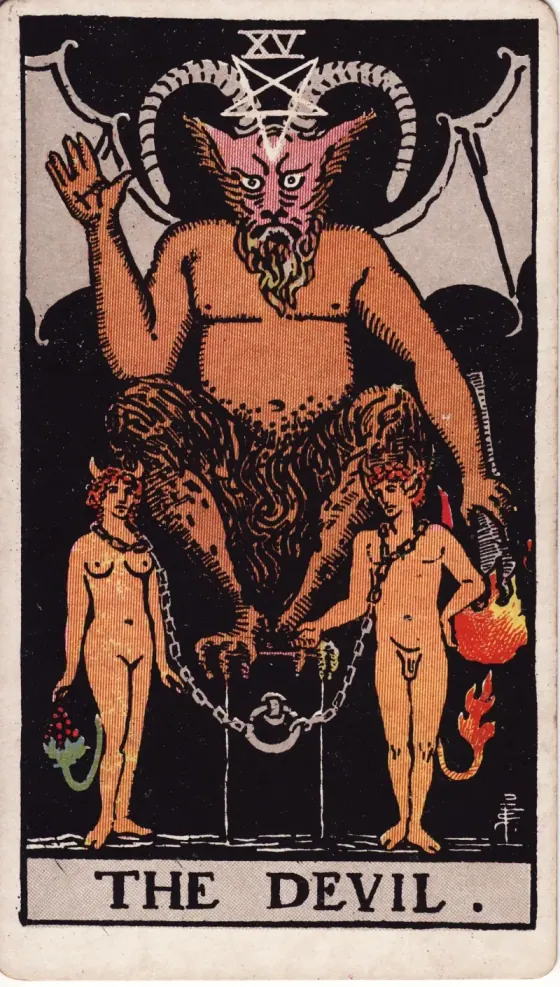
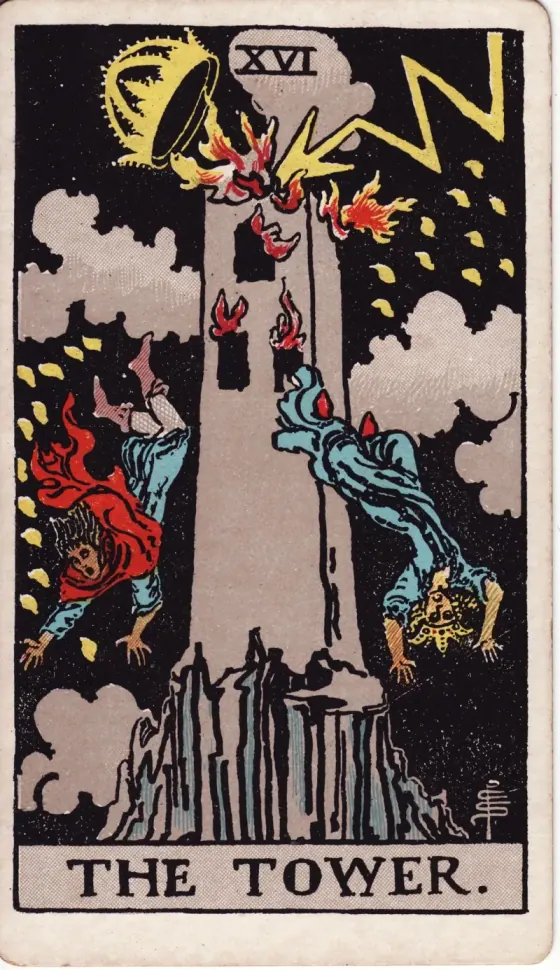
So it is not questioned in the same way. Not “what is happening?”, but “who is there, and what do they want?”, for every major carries a desire. Do not look for its meaning in a table: pull it toward a wanting. The Tower wants to bring down what stands on falsehood; Death wants to carry off what has to end. If the fiction asks for it, it can crystallize into someone. A face, an Actora presence that wants: someone who will come back and weigh, where the Backdrop is forgotten. You anchor him on the standing page in one line.part 7 you enter on the Standing pagethe page that keeps what is pending: living actors, waits, stakes, desires under way, doors closed by fate. There is only one, and it replaces the previous one.part 8 (parts 7 and 8).
Outside the opening, it does not bring fate in: fate has only that one door (part 3). It weighs, that is all. Play it large, without its putting fate on your hands. (What it does when you take it at the opening, and what fate commits: part 6.)
◆ Draws for and draws against
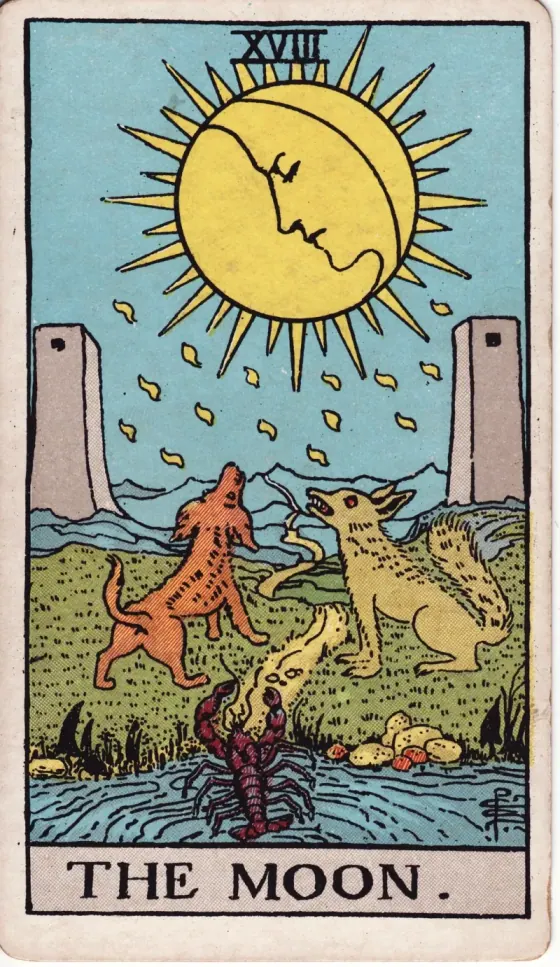
Section titled “◆ Draws for and draws against”Sometimes you know the thing is good, or that it is bad, and you only do not know which one: what this place offers, what a sleepless night is paid for with. Then draw a card and read it in that direction, for or against. It no longer says whether, it says what. And when the image resists — a Sun you have to make sinister — do not refuse it: take it from behind. The light that exposes, that blinds, that leaves nowhere to hide. The Sun is intact; it is you who took it by the other edge. If your Decka single pack of 78 cards, majors and minors mixed, reshuffled at the opening of every scene.part 2 gives every card a reversed meaning (most Rider-Waite-Smiths do), it will serve you here, and only here: it is a shortcut to the other slope of the image. Nothing is played upright or reversed on the table for all that: the card falls as it falls, and it is your reading, and it alone, that turns it over.
One condition, and it is not negotiable: the side must be true before the draw. If you still do not know which way the thing leans, this is not that draw, it is the coin or an action. Giving yourself the favorable side would be deciding the outcome and pretending to draw it.
I come out of the charterer’s office, my cargo stowed and his signature at the foot of the manifest. What this arrangement is going to cost me, I do not yet know; that it will cost me, that I know already.
The side is therefore true before the card falls — against. What remains is to know what.
 against
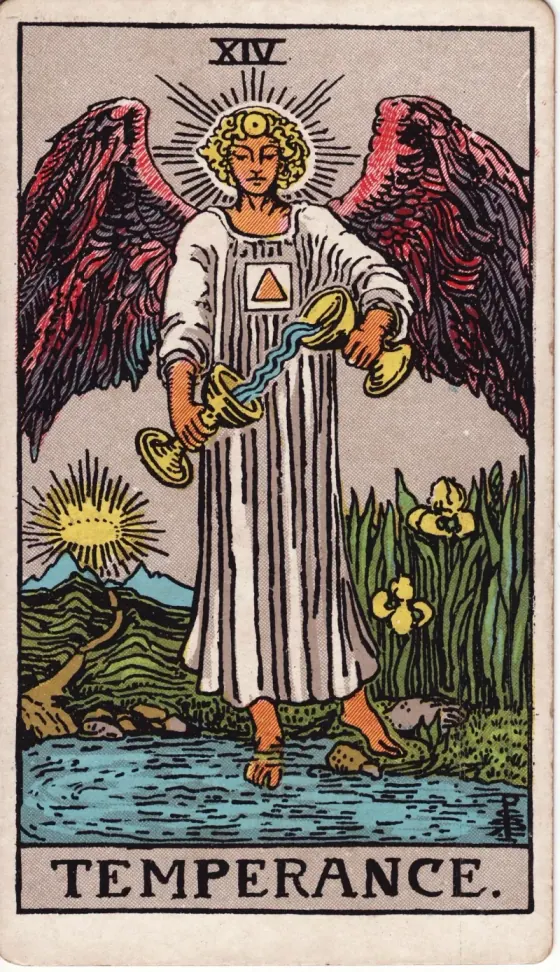
Temperance — two cups, and the water passing from one to the other without a drop falling; one foot in the river, one foot on the bank. Upright: measure, patience, what mixes well and does not spill. I do not refuse the image, I take it from behind: what mixes dilutes. The charterer has tied my freight to his. My name sits next to his on the manifest, his routes become mine, and nothing I carry is quite mine any more. No threat, no debt: lukewarmness. Nothing will be taken from me, I will be mixed in — a little on every voyage, until the day I can no longer say what belongs to me.
Note what the major does here that a minor would not have done: it does not only say what it costs, it names: a slow mixing has entered this life, and it will stay in it. It opens no trial for all that: fate passes only through the opening. It weighs, and it goes to the standing page.